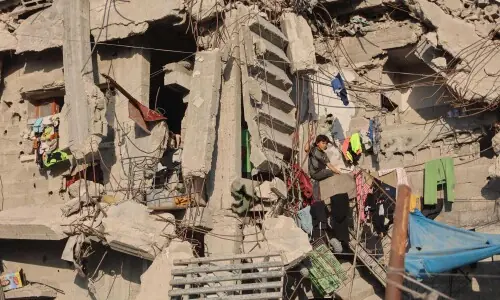
The US State Department’s annual human rights assessment found “significant” abuses in India’s northeastern Manipur state last year and attacks on minorities, journalists and dissenting voices in the rest of the country.
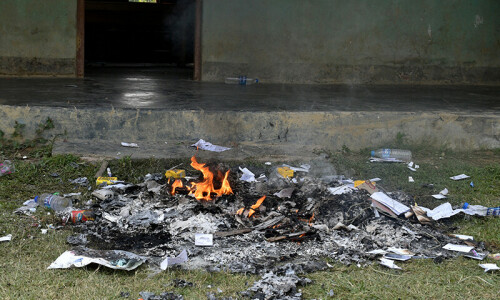
Manipur has seen fierce fighting between its tribal Kuki-Zo and majority Meitei populations after a court order a year ago suggested the Kuki’s minority privileges be extended to the Meitei.
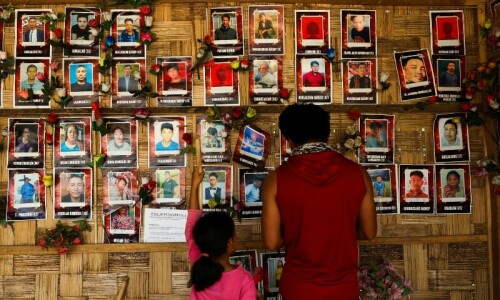
More than 200 people have been killed.
The State Department report said over 60,000 people were displaced between May and November in Manipur.
There was no immediate comment on the report from the Indian embassy in Washington.
In the rest of India, the State Department reported “numerous instances” in which the government and its allies “allegedly pressured or harassed media outlets critical of the government”.
For example, the Income Tax Department searched the BBC’s offices in early 2023 after it released a documentary critical of Hindu nationalist Prime Minister Narendra Modi.
The Indian government said at the time the search was not vindictive.
Reporters Without Borders ranked India at 161 out of 180 countries on its press freedom index in 2023, the country’s lowest position ever.
The US assessment said religious minorities in India reported discrimination, including calls for violence and the spread of misinformation.
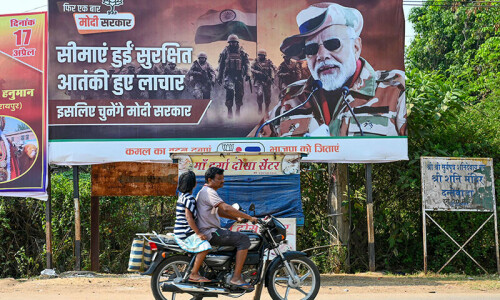
Modi, who is favoured to win a record-equaling third term in an election underway until June 1, denies abuse of minorities and says his policies aim to benefit all Indians.
Human rights groups allege the climate has deteriorated under Modi. They point to a rise in hate speech, the revoking of Indian-occupied Kashmir’s special status, a citizenship law that the UN calls “fundamentally discriminatory” and the demolition of Muslim properties in the name of removing illegal construction.
While the US report hit on themes similar to recent years, political analysts say Washington is restrained in its public criticism of New Delhi because the US hopes India will act as a counterweight to an expansionist China.