AS Pakistan calibrates its response to the ongoing wave of terrorism, a strange but familiar suggestion has come from across the western border. Speaking recently at an iftar in Khost, Mohammad Nabi Omari, Afghanistan’s deputy interior minister, called for talks between the banned TTP and the government of Pakistan.
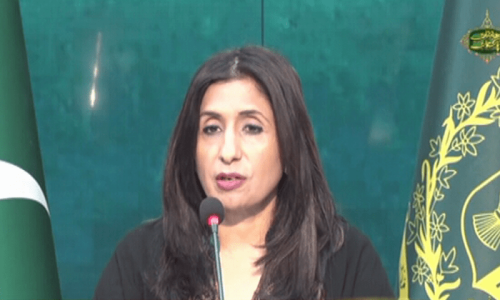
While the regime in Kabul is long believed to have favoured this option, few top Afghan Taliban leaders have said so publicly. While advising both Islamabad and the ‘brothers’ in the TTP, Mr Omari observed that Al Qaeda was not active in his country. He also felt that the war between the TTP and Pakistan was unwinnable, and that the ‘brothers’ could continue their campaign for “100 years” and not see any results. The Foreign Office, meanwhile, has rejected the prospect of negotiations with the TTP.
Perhaps the Afghan minister’s suggestion is the result of the Taliban’s frustration with the TTP. “We have nothing to do with it,” he observed, ostensibly referring to TTP terrorism, “but we are getting the heat for it”.
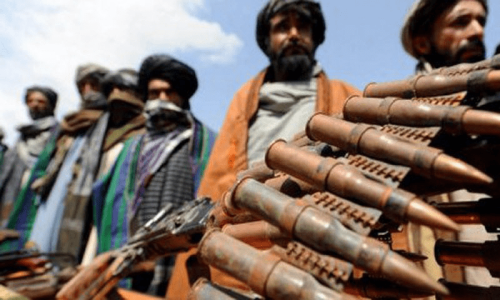
From Pakistan’s perspective, talks with the TTP have already been tried; the ‘ceasefire’ collapsed in November 2022, and thereafter the terrorist outfit unleashed a wave of deadly violence against this country that continues. In fact, many observers have said that the TTP used the previous cessation of hostilities to regroup, and the PTI-led government at the time has been chided for letting militants return to their former stomping grounds in KP.
Indeed, Pakistan cannot afford a ‘forever’ war with the TTP or any other terrorist group. But negotiations must take place from a position of strength, and no compromises can be made on fundamentals such as supremacy of the Constitution. There is little to suggest that the TTP is willing to abide within this framework. Their earlier demands included amnesty for those accused of heinous terrorist violence, and reversal of Fata’s merger with KP.
Meeting both these demands would be akin to a surrender by the state, as they would involve forgiving the killers of thousands of Pakistanis, and reversing a constitutional amendment on the demand of those who have no respect for the Constitution.
If lower-ranking cadres of the TTP, who have committed no crimes, wish to surrender, the option could be considered, and these elements would have to be de-radicalised. But unconditionally embracing the TTP’s leadership would be a huge mistake. Instead of promoting talks with the TTP, the Afghan Taliban should ensure that their ‘brothers’ do not attack Pakistan.
For the government, the only acceptable option would be for the TTP to lay down their arms, and for those involved in acts of terrorism to face the law. The failed experiment of negotiations on the TTP’s terms should not be repeated.
Published in Dawn, April 5th, 2024