ISLAMABAD: Defence Minister Khawaja Asif on Wednesday once again blamed Afghanistan for not making any progress to root out terrorism and called for further tightening of border controls to mitigate the threat.
“In view of the increase in terrorist incidents, there is a need for a fundamental change in the border situation. The source of terrorism in Pakistan is in Afghanistan and despite our efforts, Kabul is not making any progress in this direction,” Mr Asif posted on X, formerly Twitter.
He regretted that despite Taliban administration being aware of the hideouts of terrorism, terrorists were operating freely against Pakistan from their territory. “Cooperation from Kabul (for tackling terrorism threat) is not available,” the minister emphasised.
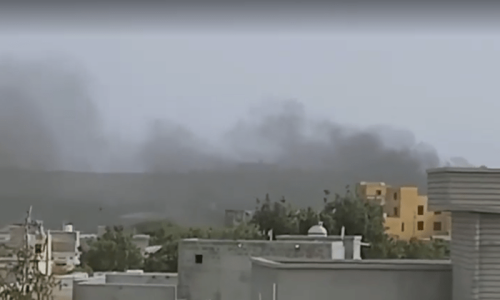
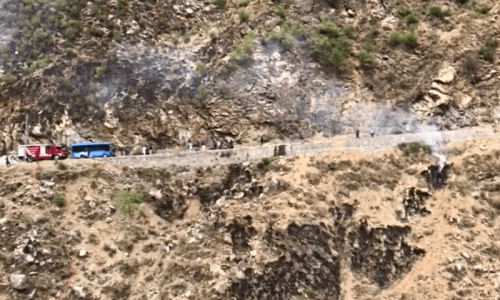
His comments came against the backdrop of a string of attacks over the past few days including those on Gwadar Port Authority complex and naval base in Turbat and the suicide attack on the van carrying Chinese workers in Shangla.
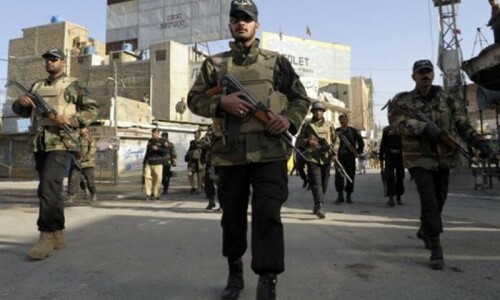
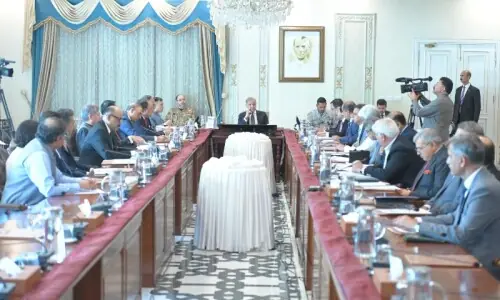
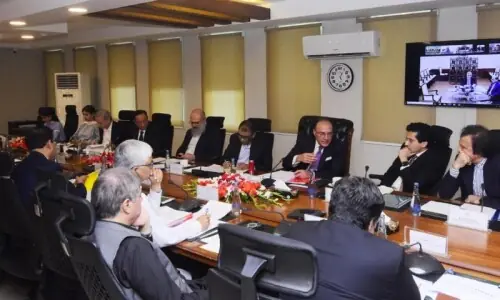
The minister posted these remarks after attending a special security meeting convened by Prime Minister Shehbaz Sharif. His remarks in a way reflected the discussion at the meeting as PMO statement on security meeting had expressed concern over “sanctuaries available to terrorists across the borders” and had called for “a regional approach” for countering terrorism.
A video clip that recently went viral on social media showed an Afghan Taliban member, identified as Yahya, assisting Pakistani terrorists based in Afghanistan in planning a cross-border attack on Pakistani troops deployed along the border.
The defence minister describing the complexity of the border security challenge said Pak-Afghan border was different from the traditional international borders. “Pakistan will have to enforce all international laws and traditions on this border and the traffic of terrorists will have to be stopped. In this way, both countries can promote their relations like traditional good neighbors. Travel facilities can be continued through passport and visa,” he maintained.
Since November 1, Pakistan has required that all Afghan citizens must possess a valid passport and visa to enter the country. Simultaneously there was a significant shift to a “one document regime” policy marking a departure from the longstanding practice of issuing special travel permits to individuals from tribes that span the nearly 2,600-kilometre border between Afghanistan and Pakistan.
However, it remains unclear which new measures the minister was referring to for enhancing control over cross-border movements.
Published in Dawn, March 28th, 2024