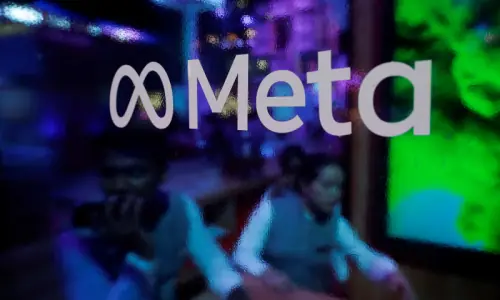
ISLAMABAD: Meta — the parent company of Facebook, Instagram and WhatsApp — has been asked to lift a ban on the use of the Arabic word shaheed (meaning martyr) on its platforms, though the restrictions on describing “terrorists” as such will continue.
Meta’s Oversight Board, which is funded by Meta but operates independently, said in its advisory opinion that the policy to refer the term shaheed to individuals designated under its dangerous organisations and individuals policy disproportionately restricts free expression.
The board has suggested that Meta’s current policy was unnecessary, and that the company should end this blanket ban.
The ruling comes after years of criticism of the company’s handling of content involving the Middle East, including in a 2021 study Meta itself commissioned that found its approach had an “adverse human rights impact” on Palestinians and other Arabic-speaking users of its services.
Those criticisms have escalated since the onset of hostilities between Israel and Hamas in October. Rights groups have accused Meta of suppressing content supportive of Palestinians on Facebook and Instagram against the backdrop of the war.
The Oversight Board noted that the recent events researched recommended to Meta on moderating the word shaheed held up, even under the extreme stress of events, such as the Gaza conflict, and would ensure greater respect for all human rights in Meta’s response to crises.
The Meta Oversight Board reached similar conclusions in its report on Tuesday, finding Meta’s rules on shaheed failed to account for the word’s variety of meanings and resulted in the removal of content not aimed at praising violent actions. “Meta has been operating under the assumption that censorship can and will improve safety, but the evidence suggests censorship can marginalize whole populations while not improving safety at all,” board co-chair Helle Thorning-Schmidt said.
The board said Meta interpreted all uses of shaheed referring to individuals it designated “dangerous” as a violation. However, the board observed, undue removal of content may be ineffective and even counterproductive.
The board said shaheed was at times used to indicate praise of those who die committing violent acts and may even “glorify” them, but it is often used, in reporting and neutral commentary, academic discussion, human rights debates and even more passive ways.
Among other meanings, shaheed is widely used to refer to individuals who die while serving their country, a cause or as an unexpected victim of sociopolitical violence or natural tragedy.
Published in Dawn, March 27th, 2024