Plastic pellets blight Belgian town as EU weighs action


 0
0
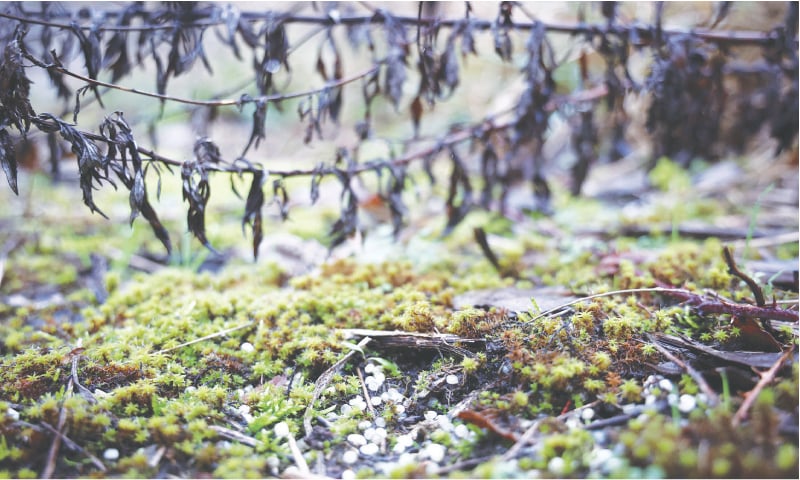

CAUSSINNES D’ENGHIEN: Buried in the soil, dotting riverbanks and bobbing along streams: a small Belgian town has waged a years-long fight against creeping pollution from plastic pellets — which the EU now has in its sights.
A spectacular spill of microplastics on Spain’s Galician coast cast a spotlight on the problem late last year, after a container filled with “nurdles” fell from a cargo ship and its contents washed ashore.
The images of locals sifting through the sand to weed out the tiny polluting pellets felt all too familiar in Ecaussinnes. The small countryside town is home to Belgium’s second largest petrochemical complex, and microplastic pollution has been a problem here for decades.
“We find them around industrial sites, in the waterways as far as eight kilometres (five miles) downstream,” explained Arnaud Guerard, a local government official in charge of environmental matters.
“They burrow into riverbanks, and depending on rainfall they end up on agricultural land.” About the size of a lentil and made from fossil fuels, nurdles — or pre-production plastic pellets — are a little-known building block used to manufacture nearly all plastic products.
According to European Commission data, up to 184,000 tonnes of pellets per year — the equivalent of 20 truckloads each day — are dispersed into the environment across the 27-nation EU.
At the local level, Guerard blames pollution in Ecaussinnes on “dysfunction” in the industrial zone where the French giant TotalEnergies produces more than a million tonnes of the pellets per year.
Published in Dawn, February 28th, 2024