THIS is with reference to the editorial ‘Multiple candidacies’ (Dec 21). The unrestricted capacity of candidates to contest multiple seats is a crucial matter related to Pakistan’s political landscape. Even though the Constitution does allow such a practice, there is no harm in subjecting it to a thorough review in the light of the country’s experience in this critical regard.
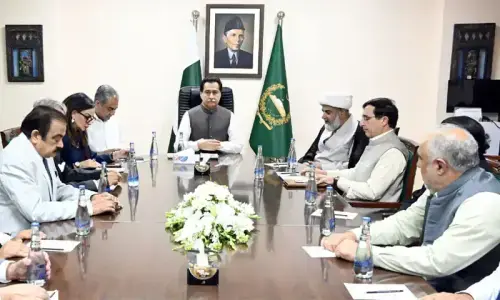
In a belated yet pivotal turn of events, the country finds itself immersed in a much-needed debate spurred by the recent discussions at the consultative meeting that was organised by the Pakistan Institute of Legislative Development and Transparency (Pildat) and the United Nations Development Programme (UNDP). This debate was sparked particularly after a politician’s decision to contest as many as eight constituencies simultaneously in by-elections that were held last year.
As rightly highlighted in the said editorial, the notion of limiting the number of seats a candidate can contest is not a novel one. However, recent incidents, notably the one cited above, have breathed a new life into this cricial discourse.
There are a host of examples available. In India, a maximum of two simul-taneous candidacies is permitted, while in Bangladesh, three candidacies are allowed. But we must take a cue from the United Kingdom, the mother of all parliamentary democracies, which has outrightly banned the practice of contesting more than one seat. As emphasised, these measures not only ensure financial prudence, but also safeguard the equity of the electoral process.
In Pakistan, the financial ramifica-tions of candidates contesting multiple seats are significant. As a matter of fact, the Election Commission of Pakistan (ECP) has estimated that the cost of conducting by-elections in the consti-tuencies that are vacated by winning candidates is a whopping Rs20.7 million, which places a burden on the exchequer. For a nation that is already grappling with economic challenges, these millions represent nothing but a sheer wastage.
The ability to contest from multiple constituencies not only creates an inherent imbalance in the electoral competition, but also perpetuates a system that favours candidates with abundant resources, inadvertently sidelining those with limited financial means. This stark imbalance contradicts the fundamental essence of a democratic system, which should ideally guarantee equal opportunities to all aspirants, regardless of their socio- economic standing.
Connecting this with the ongoing discourse on electoral reforms, it becomes clear that not individuals who are aspiring to contest elections in Pakistan get a fair chance, particularly those encumbered by financial limitations. This further emphasises the necessity for transformative change.
The practice of elected representa-tives vacating seats for others can instil a sense of disenfranchisement among the electorate. This not only necessitates costly by-elections, but also serves to erode the trust of voters in the democratic process badly.
Consequently, this connection reinforces the multifaceted impact of the existing system in the shape of financial burden on the nation and the broader democratic sentiments of the public.
Indeed, it is the need of hour to voice concerns addressing the democratic sentiments, ensuring its norms in letter and in spirit. There must be a consensus among political parties to self-regulate and restrict the number of constituencies a candidate can contest. This would not only contribute to fair play, but also address the matter of financial burden. This will be a crucial step towards a responsible electoral process.
However, beyond self-regulation, it is imperative to amend Article 223 of the Constitution. This amendment should restrict candidates to contesting no more than two seats, aligning with interna-tional norms.
As conscientious citizens, it is crucial to advocate for transparency, fairness and unwavering commitment to democratic norms in our political system. Only through concerted efforts can we aspire to forge a future where democracy authen- tically serves the interests of the people.
Majid Burfat
Karachi
Published in Dawn, January 7th, 2024