LONG before a church is burned, a mosque vandalised or a mob assembled, the poison that enables such violence has been spreading quietly for months or years.
Hate speech rarely begins with physical attacks. It starts with words that portray entire communities as threats, outsiders or people less deserving of rights and dignity. By the time violence erupts, the prejudices behind it have often become deeply entrenched.
The International Day for Countering Hate Speech, observed today, comes at a difficult moment. Around the world, social media has made it possible for rumours, lies and hateful messages to travel further and faster than ever before.
A false claim posted online can reach thousands before it is challenged and millions before it is corrected. The algorithms that determine what people see often favour the most provocative content, rewarding outrage rather than accuracy.
Muslims have frequently been among the targets. Islamophobic rhetoric has become increasingly visible in parts of Europe and North America, particularly during debates over immigration and security. The unrest that spread across parts of Britain in 2024 after false claims circulated online about the identity of a murder suspect showed how quickly misinformation can fuel hostility towards Muslims and immigrants. Attacks on mosques and the routine abuse directed at Muslims on social media point to a wider problem: the normalisation of language that casts entire communities under suspicion.
Pakistan faces similar dangers. The 2023 attacks in Jaranwala, where churches and Christian homes were torched following allegations of blasphemy, showed how inflammatory claims can trigger collective punishment. Religious minorities continue to face harassment, while sectarian rhetoric periodically resurfaces despite restrictions. Social media has made matters worse by allowing rumours and incitement to spread with unprecedented speed.
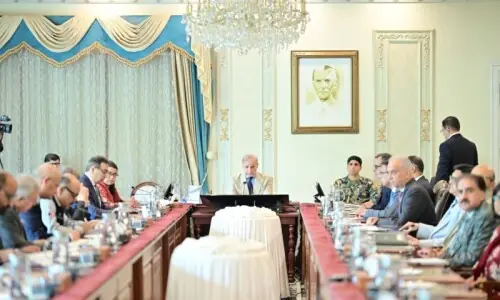
Recognising these challenges, the government established the National Paigham-i-Aman Committee last year, bringing together religious scholars, minority representatives and officials to help counter extremism, sectarianism and hate speech. The committee’s creation acknowledged that hatred cannot be defeated through arrests and bans alone.
Yet its success will depend on whether it can produce visible results. Rights groups, teachers, journalists, community leaders and religious scholars are often the first to challenge dangerous rumours and defend targeted communities. Their work becomes even more important when hatred spreads online. Governments and technology companies also have responsibilities, but neither can address the problem alone.
Effective responses require sustained public education, stronger digital literacy and consistent support for those targeted by hate campaigns. If hateful rhetoric is left unchecked, the distance between a rumour online and violence on the street can become alarmingly short. That is a lesson Pakistan, and much of the world, has already learned at considerable cost.
Published in Dawn, June 18th, 2026