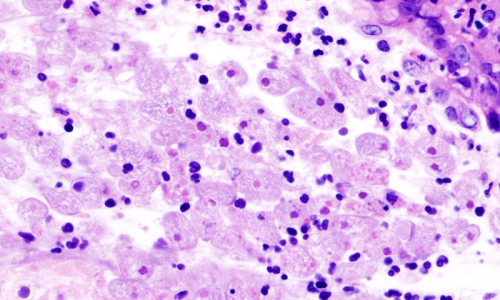
KARACHI: A 23-year-old man tested positive for life-threatening Naegleria fowleri, better known as brain-eating amoeba, on Wednesday.
According to health department officials, this is current year’s seventh reported case of Primary Amoebic Meningoencephalitis (PAM) — a rare brain infection caused by Naegleria — in the city.
“The patient is in critical condition at a private hospital. He developed the disease’s symptoms over a week back and is now on ventilator support,” an official said, adding: “The patient hailed from Mirpurkhas and is an engineer by profession.”
Every year, this deadly infection, which can easily be prevented by disinfecting the water with chlorine, claims several lives in Karachi.
This year, the authorities have reported five deaths from the infection in the city. The last mortality was reported on June 7. The deceased was a DHA resident and reportedly bathed in a swimming pool in his locality.
One patient survived the deadly infection last month.
In May, the health department confirmed three deaths from Naegleria in a short span of one week in the metropolis. None of the three victims had a history of swimming and it appeared that the infection occurred due to the use of contaminated, or non-chlorinated, tap water.
A free-living amoeba, Naegleria, is commonly found in warm fresh water (such as lakes, rivers, and hot springs) and soil. Only one species of Naegleria infects people: Naegleria fowleri.
It infects people when water containing the amoeba enters the body through the nose. This typically happens when people go swimming, diving, or when they put their heads under fresh water, like in lakes and rivers. The amoeba then travels up the nose to the brain, where it destroys the brain tissue and causes PAM, which is almost always fatal.
The first symptoms of PAM usually start about five days after infection that may include headache, fever, nausea, or vomiting. Later symptoms can include stiff neck, confusion, lack of attention to people and surroundings, seizures, hallucinations, and coma.
After symptoms start, the disease progresses rapidly, and usually causes death within about five days.
Published in Dawn, August 17th, 2023