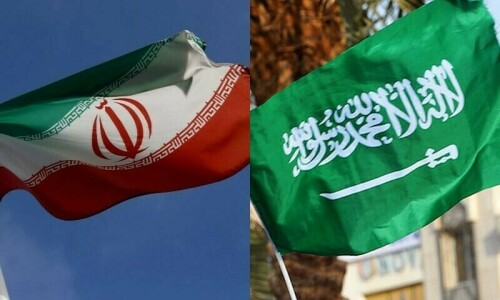
Iran said on Monday it has formally invited Saudi King Salman to visit Tehran, following a reconciliation agreement reached last month between the two sides.
Saudi Arabia severed relations with Iran in 2016 after its embassy in Tehran and consulate in the northwestern city of Mashhad were attacked during protests over Riyadh’s execution of Shia cleric Nimr al-Nimr.
The two Middle East powerhouses had held several rounds of dialogue in Iraq and Oman before reaching the agreement to mend ties on March 10 in China.
On Monday, Iran’s foreign ministry spokesman Nasser Kanani said President Ebrahim Raisi had “invited the Saudi king to visit Iran”.
Kanani said the Iranian president had already received an invitation to visit the Sunni-ruled kingdom.
The spokesman also expressed hope that Iran and Saudi Arabia would reopen their respective diplomatic missions by May 9, as scheduled in the China-brokered agreement.
“We and the Saudi side insist on activating the embassies in a very timely manner so that Iranian pilgrims can attend a calm Haj pilgrimage using the services provided by the embassy,” he told a weekly press conference.
The annual Haj pilgrimage to holy sites in Saudi Arabia, one of the pillars of Islam, is expected to begin this year in late June.
In recent days, delegations from the two countries have visited the embassies in Riyadh and Tehran and consulates in Jeddah and Mashhad to launch the process of their reopening.
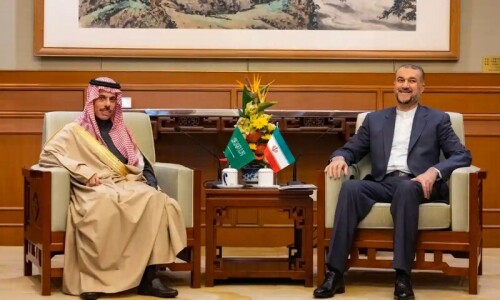
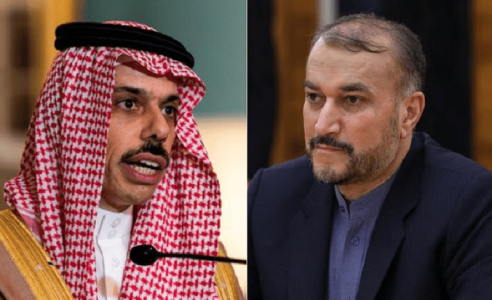
On April 6, the Iranian and Saudi foreign ministers, Hossein Amir-Abdollahian and Prince Faisal bin Farhan held talks in Beijing on the implementation of the normalisation of ties.
“The foreign ministers of the two countries will meet” again before the reopening of the embassies, the spokesman said.
Before the March deal to restore ties, Shia Muslim-majority Iran and Sunni Muslim-ruled Saudi Arabia had backed rival sides in conflict zones across the region for years, including in Yemen.
Riyadh led a military coalition that supported the internationally recognised government in the kingdom, while Tehran backed the Houthi rebels who control the capital Sanaa and large areas of the north.