VIENNA: The UN nuclear watchdog has found uranium enriched to 84 per cent in Iran — very close to weapons grade — diplomats said on Monday, while the watchdog said that it was in talks with Tehran about recent findings there.
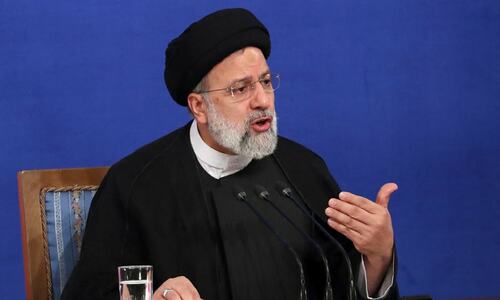
Iran has denied reports that it has enriched uranium to 84pc purity. “So far, we have not made any attempt to enrich above 60pc. The presence of particles above 60pc enrichment does not mean production with an enrichment above 60pc,” the spokesperson for Iran’s Atomic Energy Organisation, Behrouz Kamalvandi, said, according to the official IRNA News agency.
Bloomberg News reported on Sunday that UN nuclear watchdog monitors had last week detected uranium enriched at 84pc.
Kamalvandi called the report “slanderous” and said it distorted facts.
Tehran terms claim ‘slanderous, distortion of facts’
Iran has been enriching uranium to up to 60pc purity since April 2021. Three months ago, it started enriching to 60pc at a second site, Fordow, which is dug into a mountain. Weapons grade is around 90pc.
Two diplomats told Reuters that the International Atomic Energy Agency, which inspects Iran’s nuclear facilities, had detected uranium enriched to 84pc, confirming an initial report late on Sunday by Bloomberg News.
“The issue is whether it was a blip in the reconfigured cascades or deliberate. The agency has asked Iran for an explanation,” one of the diplomats said.
Earlier this month, the IAEA criticised Iran for failing to inform it of a “substantial” change to the interconnections between the two cascades, or clusters, of centrifuges enriching uranium to up to 60pc at Fordow. Several diplomats said the change meant Iran could quickly switch to a higher enrichment level.
Those rearranged cascades are the ones the first diplomat was referring to.
The United States in 2018 pulled out of the 2015 nuclear deal between Iran and major powers that had lifted sanctions against Tehran in exchange for curbs on its nuclear activities.
Iran responded to the re-imposition of US sanctions by breaching those restrictions and going well beyond them, to the point that IAEA chief Rafael Grossi has said the deal is now an “empty shell”.
Prospects for reviving the deal are dim, diplomats say, with tensions between Iran and the West high over protests in Iran, the war in Ukraine, and Iran’s continued nuclear advances eroding the time it would need to produce a nuclear bomb if it chose to. Iran denies having such intentions.
Published in Dawn, February 21st, 2023