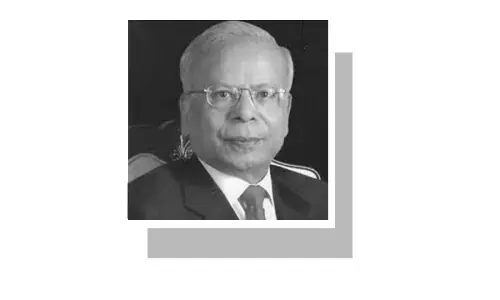
UNITED NATIONS: A day after Pakistan’s UN Ambassador Munir Akram drew flak from Pakhtuns and human rights activists in both Afghanistan and Pakistan for equating the Taliban government’s restrictions on women with the Pakhtun culture, he clarified on Thursday that he was referring to the “peculiar perspective” of a small minority when he spoke about the practice of keeping Pakhtun women at home.
Ambassador Akram made the controversial remarks during a briefing at the UN in New York on Wednesday.
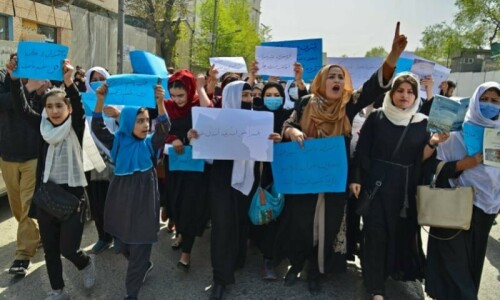
“The restrictions that have been put by the Afghan interim government, flow not so much from a religious perspective as from a peculiar cultural perspective of the Pashtun culture, which requires women to be kept at home,” he said at the UN briefing. “And this is a peculiar, distinctive cultural reality of Afghanistan which has not changed for hundreds of years.”
Former senator Afrasiab Khattak called these remarks an insult to Pakhtuns and asked Ambassador Akram “if Pakistan represents the Taliban now”.
Shah Mahmood Miakhel, deputy defence minister in the former Afghan government, said Mr Akram was “playing an ethnic card”, which was “shameful”.
Pakistan’s UN envoy clarifies remarks after drawing flak
Ashraf Haidari, the Afghan ambassador to Sri Lanka, alleged that Ambassador Akram “deliberately avoids blaming the extremist ideology of the Taliban for the gender apartheid in Afghanistan, which the TTP [Tehreek-i-Taliban Pakistan] now desires to enforce in Pakistan too as soon as they can”.
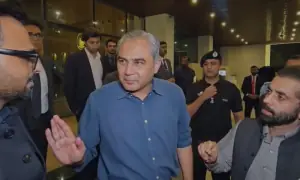
Responding to queries from Dawn, Ambassador Akram said he “regrets if his remarks (were) misunderstood or hurt anyone’s feelings. There was no disrespect meant to Pashtun culture which is highly progressive and deserves full respect across the world”.
He said he was referring to the “peculiar perspective of a small minority — which has resulted in the restrictions on women”.
In Islamabad, a spokesperson for the Ministry of Foreign Affairs told reporters that Islamabad had sought details of the ambassador’s statement and the context in which it might have been made.
“Pakistan is a country that accords equal status to women. It also respects its commitments under international agreements and conventions,” the spokesperson said. “We believe that Islam grants equal access to education and women rights and … we have also said that the enterprising and innovative Afghan women should not be deprived of their rights to progress and to follow their dreams.”
Published in Dawn, February 3rd, 2023