ISLAMABAD: As the stuck-up refunds and tax credit of export-oriented industries swelled to over Rs200 billion in the current fiscal year, the exporters on Tuesday warned of closing down their textile units as a severe liquidity crunch made it impossible to continue their operations.
The stuck-up payments range from sales tax refunds to duty drawback of local taxes and levies, a support government offered to textile and clothing exporters to offset the cost of doing business.
Data showed that the refund payment orders worth Rs45bn is pending since Oct 16 with the Federal Board of Revenue (FBR), while deferred sales tax refund edged up to Rs55bn in the last six months.
The exporters’ income tax credit outstanding is approximately Rs100bn. The tax credit is offered to industrialists on expansion or modernisation of the production line.
At the same time, the duty drawback of local taxes and levies outstanding amount is Rs45bn. Of these, Rs10bn is ready for payment with the State Bank of Pakistan.
Govt warned of units’ closure amid liquidity crunch
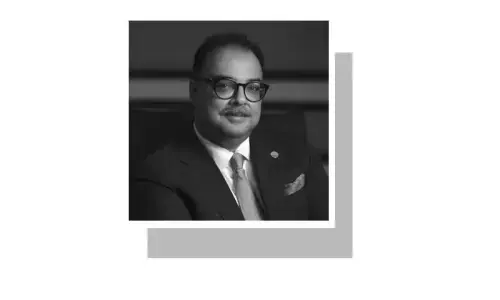
Textile Exporters Association Patron-in-Chief Pakistan Khurram Mukhtar said with the withdrawal of the zero-rated regime (SRO 1125) and the implementation of a 17pc general sales tax on export-oriented sectors, the cost of doing business has increased to unsustainable levels.
Mr Mukhtar expressed serious concerns over unnecessary delay in payment of exporters’ sales tax refunds. After witnessing a historic hike, the textile exports fell by 15.23pc in October mainly because the exporters were witnessing an extreme liquidity crisis.
Despite all the commitments, the FBR had failed to pay the sales tax refunds of zero-rated sectors within 72 hours as payment of exporters’ refund claims has been stopped for over a month.
Consequently, it is affecting their working capital, putting their business to a halt by hampering their export activities. It is ultimately affecting the country’s foreign exchange reserves which are continuously declining.
Textile exports are expected to increase from $19.35bn (FY22) to $25bn this fiscal year and $50bn over the next five years.
Considering that the local currency depreciated by 60-70pc in the last year, exports have climbed to over Rs3 trillion, but working capital has not increased.
He further stated that the pace of competitiveness and modernisation in the global textile market is progressing exponentially. “We must lower our cost of doing business and make it comparable to our regional competitors such as India, Bangladesh, and Vietnam,” he added.
He further stated that the Pakistan textile industry is likely to lose markets internationally because of various taxes, levies, presumptive taxes and surcharges, making the exports 10 to 15pc costlier against the regional competitors hence, it is the need of the hour that government should adopt pro-export policies.
Published in Dawn, November 23rd, 2022