49
49

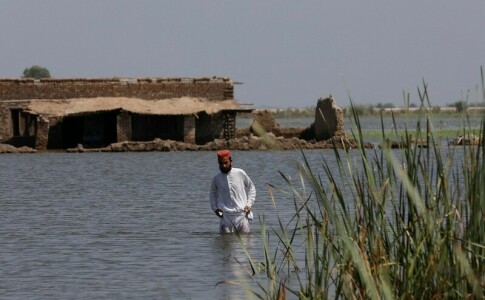
PARIS: Rich carbon polluters should feel “moral pressure” to help fund climate-vulnerable nations wracked by weather extremes such as Pakistan, which is responsible for less than 0.5pc of global emissions, diplomats and scientists said on Wednesday.
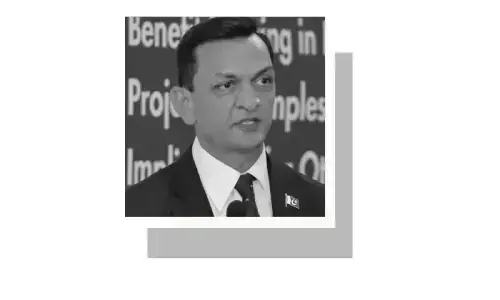
“This is not a freak accident,” said Nabeel Munir, Pakistan’s ambassador to Seoul and chair of the largest negotiating bloc of developing nations at UN climate negotiations.
“The science proves the frequency and the impact of these disasters is only going to increase and we have to be prepared for that.” The human and economic impact is already staggering and “this is an ongoing disaster; the rains are still going on”, he said.
Countries like Pakistan that have contributed the least to global warming are often battered by the worst impacts, observers say.
The issue will be thrown into sharp relief with Pakistan fronting the important G77+China bloc — representing more than a hundred nations and a significant proportion of the global population — as it reels from weather disasters.
Read: International responsibility
Pakistan has contributed less than 0.5 percent of heat-trapping emissions pumped into the atmosphere since the Industrial Revolution, said Kristina Dahl, principal climate scientist at the Union of Concerned Scientists. The US is responsible for 25 percent.
Recall that in March, a blistering hot spell began to develop across parts of South Asia, with Pakistan registering record temperatures.
Scientists from the World Weather Attribution climate group estimated that climate change had made the heatwave 30 times more likely.
Quickly melting glaciers can saturate the landscape and cause glacial lake outburst floods, unleashing torrents of ice, rock and water.
That can lead to a “compound effect where we’ve got higher than average river levels, on top of higher than average rainfall”, said Helen Griffith, a researcher of hydrology and environmental science at the University of Reading.
Published in Dawn, September 1st, 2022