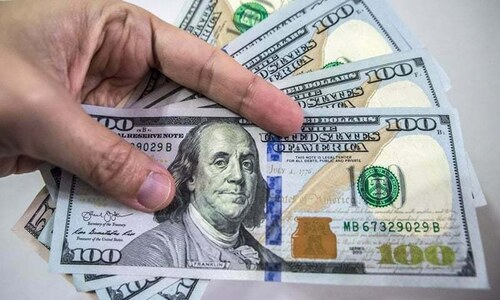
Strong dollar: Ten reasons why it matters to you


FRANKFURT: All things to all people, the US dollar leaves its imprint in every corner of the global economy: It is the currency in which vital raw materials are bought and sold, and it is the safe haven to which investors turn in times of trouble.
The greenback is now at a 20-year high against other world currencies, thanks in part to expectations that the Federal Reserve will increase its interest rates faster than most.
Here are 10 reasons why you should be paying attention:
American abroad: A strong dollar is great if you are a US tourist. Hotels, meals or a designer bag all are cheaper by comparison, whether in London, the French Riviera or Cancun. It goes without saying that the reverse is true for the traveller going to the United States unless they bought their Disneyland tickets or Las Vegas junket a good while ago, it is going to cost more.
The joys of parity: This is a welcome added boon for Americans travelling to one of the 19 countries that use the euro and a small consolation for European tourists in the United States. No more mental arithmetic is required to convert between dollars and euros you can call it pretty much one for one now.
Made in America: For shoppers around the world in search of top US brands, the strong dollar means they could end up paying a premium for them unless local distributors try to cushion the currency impact.
Just in the past days, US companies such as Mattel Inc maker of the Barbie doll and Hot Wheels cars said it was seeing a hit from the dollars move upwards, even if consumers as a whole looked ready to take on higher prices.
Emerging trouble: For Argentines, the rise of the dollar against the peso has meant a doubling of local prices in just one year and a spiralling economic crisis. Governments and businesses in a lot of emerging economies finance themselves by issuing bonds in US dollars.
The amount they owe has now surged in value when measured in their local currency. Tapping the market for more credit has also become more expensive because US rates have risen.
Raw materials: Countries like Turkey and Egypt that import a lot of their raw materials have been hit by a double whammy. Most commodities from oil to wheat are priced in US dollars, meaning they are paying more in their local currency for every barrel or bushel they buy. This comes as the price of many of those materials is already at a multi-year high due to the war in Ukraine, extreme weather and the aftershock of the Covid pandemic.
HOME SUPPORT: A strong dollar is good news for people in poorer countries such as Mexico and Guatemala who depend on money sent by relatives who work in the United States. The Covid-19 fallout dealt a sharp blow to these remittances in 2020 but they’ve seen a steady recovery since.
INFLATION: Even for richer countries such as Germany a strong dollar can spell trouble because it helps fuel already record-high inflation through more expensive imports. Local central banks have generally responded by raising interest rates, which makes credit dearer and slows economic growth.
ROUBLE RALLY : The Russian rouble is the only currency in the world that is comfortably in the black against the dollar this year — an unexpected outcome for a country under international sanctions over its invasion of Ukraine. But this strength — a somewhat artificial result of controls on foreign exchange — does little for the ordinary Russian.
BITCOIN: Marketed as the ultimate shield against inflation, the world’s largest crypto currency hasn’t lived up to its promise and is down by more than half this year despite runaway consumer prices in large parts of the world. Legions of individual investors drawn to crypto during last year’s bull market have now ditched the digital tokens to park their savings in a US currency they perceive as safer — and which is now starting to pay interest again.
BEEF UP: If the price of a hamburger is anything to go by, the dollar might actually be too strong and bound to fall back. The Economist’s Big Mac Index, which compares the price of the ubiquitous burger around the world, shows that the greenback is overvalued against all but a handful of currencies. The dollar is most expensive — and a Big Mac cheapest for a US traveller — in Venezuela, Romania and Indonesia. The opposite is true in Switzerland, Norway and Uruguay.
Published in Dawn, July 26th, 2022