0
0

ISLAMABAD: The World Health Organisation on Tuesday released a report on the vaccines currently in development to prevent infections caused by antimicrobial-resistant (AMR) bacterial pathogens.
WHO’s analysis points to the need to accelerate trials for AMR-related vaccines in the late-stage development and maximise the use of existing vaccines.
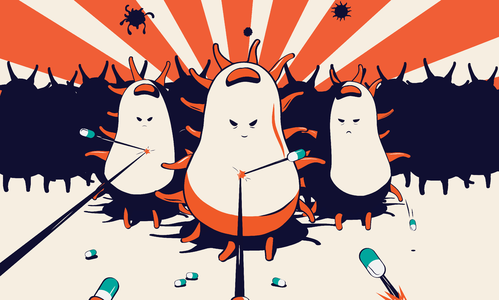
The bacteria have internal intelligence due to which they change themselves according to the medicine and create resistance against the medicines. In the past, bacteria could be killed with low potency medicines but now for the same virus high potency medicines are required due to AMR.
On the other hand, when antibiotics fail to work, the consequences are longer-lasting illnesses, more doctor visits or extended hospital stays, and the need for more expensive and toxic antibiotics. In some cases, the antibiotic-resistant infections can lead to serious disability or even death.
In 2018, Pakistan faced a major embarrassment as US national public health agency CDC issued an advisory that there was an ongoing outbreak of XDR typhoid fever in Pakistan that does not respond to most antibiotics. During 2018, cases were reported in the UK and in the US among travellers returning from Pakistan. In April 2019, after concerns about the misuse of antibiotics for years, the Drug Regulatory Authority of Pakistan (Drap) finally decided to regulate its sale in Islamabad and as a first step an advisory was issued to all medical stores to ensure that antibiotics were not sold without prescriptions.
Moreover, medical stores were asked to maintain the record of antibiotics and its sale, including copies of the prescriptions but it could not be implemented.
According to the report, the silent pandemic of antimicrobial resistance is of major growing public health concern. Resistant bacterial infections alone are associated with nearly 4.95 million deaths per year, with 1.27 million deaths directly attributed to AMR. But AMR is about more than bacterial infections. It occurs when bacteria, viruses, fungi and parasites change over time and no longer respond to medicines.
When an individual becomes infected with these microbes, the infection is said to be resistant to antimicrobial medicines. These infections are often difficult to treat.
Vaccines are powerful tools to prevent infections in the first place, and, therefore, have the potential to curb the spread of AMR infections. The AMR vaccine pipeline report aims to guide investments and research into feasible vaccines to mitigate AMR.
A statement issued by WHO said that the analysis identifies 61 vaccine candidates in various stages of clinical development, including several in late stages of development to address diseases listed on the bacterial priority pathogens list, which WHO has prioritised for research and development. While the report describes these late-stage vaccine candidates as having a high development feasibility, the report cautions that most will not be available anytime soon.
“Preventing infections using vaccination reduces the use of antibiotics, which is one of the main drivers of AMR. Yet, of the top six bacterial pathogens responsible for deaths due to AMR, only one, Pnuemoccocal disease (Streptococcus pneumoniae) has a vaccine,” said Dr Hanan Balkhy, WHO Assistant Director-General, Antimicrobial Resistance.
“Affordable and equitable access to life-saving vaccines such as those against pneumococcus, are urgently needed to save lives, and mitigate the rise of AMR” she added.
Published in Dawn, July 13th, 2022