0
0

PESHAWAR: With almost no cash on hand, all 25 tehsil municipal administrations (TMAs) in the seven tribal districts haven’t paid salary to their over 1,000 employees for four months to their misery.
According to officials, the TMAs were established in Mohmand, Bajaur, Khyber, Kurram, Orakzai, North Waziristan and South Waziristan districts following the region’s merger with Khyber Pakhtunkhwa.
They told Dawn that the TMA funds were either local taxes or government funding but as the region was a tax-free zone, these civic bodies had to look to the provincial government for financial support.
LG minister says salaries will be paid in two, three days
The officials said the KP Local Council Board had formally requested the provincial government several months ago for funds to manage the running expenditure but the matter continued to be pending with the finance department.
“The TMAs require funds to pay salary to employees and pay for the fuel of official and sanitation vehicles, electric supply and office needs,” a tribal district TMO told Dawn on condition of anonymity.
He said the though the government had established TMAs soon after the Fata-KP merger, they would take time to generate money for own needs.
The TMO said the TMA employees had been struggling to make ends meet due to the long pay delays to make ends meet amid escalating prices of essential food items.
When asked how the cash-strapped TMAs manage vehicle fuel and repairs, he said heads of the tehsil administrations had promised filling station owners the payment of dues soon after the release of government funds.
The official said the situation had forced the TMA officials into borrowing money from friends and relatives to meet unavoidable expenses.
Officials in the provincial secretariat of the local government department told Dawn that for the tehsil council chairmen elected in the recent local body elections, it would be a challenge to manage the affairs of 25 tribal TMAs with no funds at their disposal.
The local body elections were held in 17 districts in the first phase and the districts included Khyber, Mohmand and Bajuar from the erstwhile Fata. The second phase of polls will take place in the remaining four tribal districts.
A senior official of the local government department told Dawn that the tribal TMAs set up a few years ago had not begun revenue generation.
He said the main sources of revenue for those TMAs were collection of taxes fromcattle fairs,bus stands, signboards, construction map approvals and fruit and vegetable markets, fee for issuing no objection certificates to housing societies, two per centdeductionfrom the sale of property, and public park contracts.
The official said the government also issued annual grant to TMAs when the federal government stopped them from collecting zila tax in 1999.
He said the tribal TMAs neither generated revenue nor did the government give them any grant.
The official said non-payment of salary had adversely affected the performance of employees, who had grown insecure about their jobs as well.
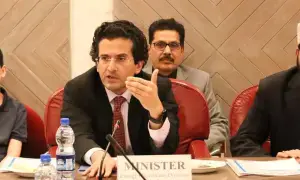
When contacted, local government minister Faisal Amin Gandapur said TMAs in tribal districts were financial weak for having no source of revenue as the ex-Fata had been declared a tax-free zone.
He said officials of the finance and local government departments discussed the matter lately.
“The finance department released funds on Tuesday, so these TMA employees will receive salaries in two or three days,” he said.
Published in Dawn, December 30th, 2021