Renowned haematologist Dr Tahir Shamsi passes away in Karachi

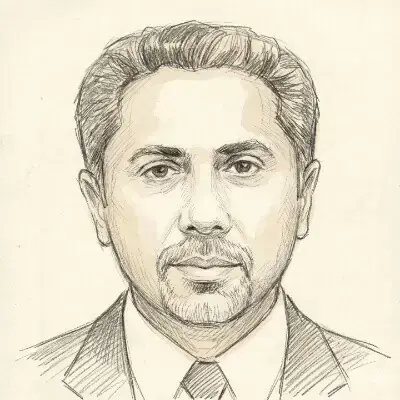
Renowned haematologist Dr Tahir Shamsi passed away in Karachi on Tuesday, almost a week after suffering brain haemorrhage and being admitted to a hospital. He was 60.
Pakistan Medical Association (PMA) Secretary General Dr Qaiser Sajjad told Dawn.com that Dr Shamsi was admitted to the Aga Khan University Hospital last week. He said that Dr Shamsi experienced partial paralysis and was operated on but his condition did not stabilise.
The PMA official said that Dr Shamsi was put on a ventilator a few days ago and died at 7:20am today.
"Dr Tahir Shamsi’s death is an irreparable loss for the community. He did an excellent job of establishing a bone marrow transplant [facility] in the country," Sajjad said.
The PMA secretary general praised the deceased doctor as a "thorough gentleman" who was "very humble, cooperative and supportive" with his patients.
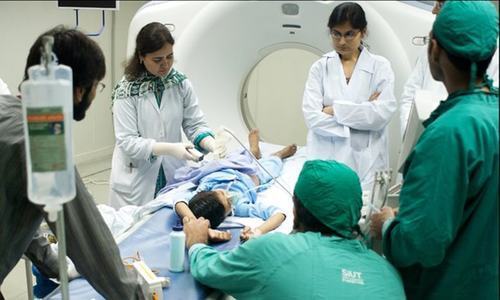
Dr Shamsi is credited with introducing bone marrow transplants in Pakistan in 1996, and had performed 650 such transplants and written over 100 research articles.
In 2011, Dr Shamsi established the National Institute for Blood Disease (NIBD) for the treatment of blood-related diseases.
He was the director of the Stem Cell Programme at NIBD as well.
Naufil Shahrukh, a friend of Dr Shamsi, told Dawn.com that the deceased was a graduate of Dow Medical College and went for higher studies to the UK, where he specialised in haematology, and remained there till 1995.
Dr Shamsi subsequently returned to Pakistan and started a cancer treatment programme at Ziauddin Hospital, Sharukh said. He added that Dr Shamsi trained many medical professionals in haematology, as well as stem cell research.
He was also part of the first major attempt in Pakistan to train gynaecologists on blood diseases and prenatal care, along with his colleague Dr Nazli Hossein.
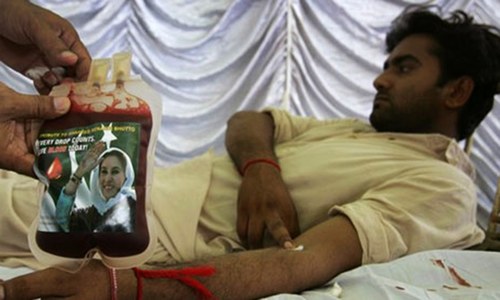
Dr Shamsi, he said, also conducted extensive research on thalassemia, which was internationally recognised and eventually led to a drug being devised that allowed patients to lead healthy lives without the need for blood transfusions.
Shahrukh said Dr Shamsi was married in 1990 and leaves behind his wife, two sons and as many daughters.
President Dr Arif Alvi expressed his grief and sympathised with the bereaved family.

He said Dr Shamsi had rendered "outstanding services" in the fields of medicine and research. "The deceased will be remembered for his services in bone marrow transplant and other leukaemia treatments," the president said.