

China rejects genocide charge in Xinjiang, says door open to UN
China on Monday rejected “slanderous attacks” about conditions for Muslim Uighurs and other minorities living in its Xinjiang region, insisting that they enjoyed freedom of religion and labour rights.
Activists and UN rights experts have said that at least one million Muslims are detained in camps in the remote western region. China denies abuses and says its camps provide vocational training and are needed to fight extremism.
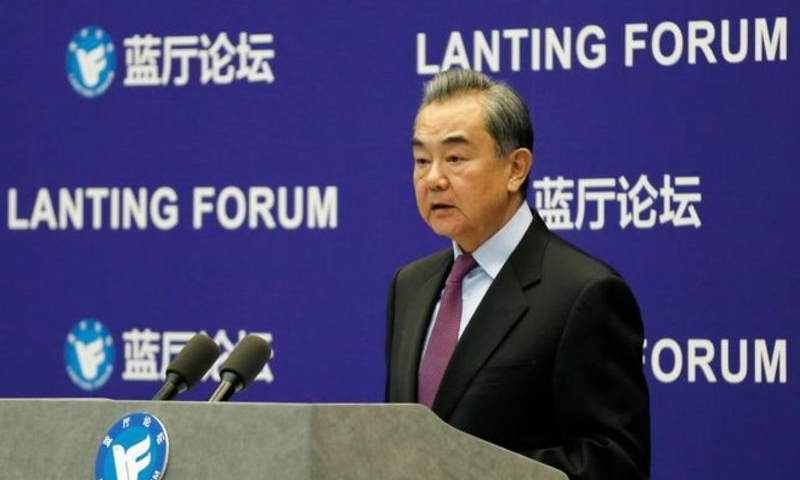
Chinese Foreign Minister Wang Yi told the UN Human Rights Council that it was taking counter-terrorism measures in accordance with the law and that Xinjiang enjoyed “social stability and sound development” after four years without any “terrorist case”.
There were 24,000 mosques in Xinjiang, where people of all ethnic groups also enjoyed labour rights, he said.
“These basic facts show that there has never been so-called genocide, forced labour, or religious oppression in Xinjiang,” Wang said. “Such inflammatory accusations are fabricated out of ignorance and prejudice, they are simply malicious and politically driven hype and couldn’t be further from the truth.”
The Biden administration last month endorsed a last-minute determination by the Trump administration that China has committed genocide in Xinjiang and has said the United States must be prepared to impose costs on China.
Earlier, British foreign secretary Dominic Raab denounced torture, forced labour and sterilisations that he said were taking place against Uighurs on an “industrial scale” in Xinjiang. “The situation in Xinjiang is beyond the pale,” he said.
Germany’s foreign minister Heiko Maas said: “Our commitment to the Universal Declaration of Human Rights also leaves no room for the arbitrary detention of ethnic minorities like the Uighurs in Xinjiang or China’s crackdown on civil liberties in Hong Kong.”
Wang invited UN scrutiny but gave no timetable.
“The door to Xinjiang is always open. People from many countries who have visited Xinjiang have learned the facts and the truth on the ground. China also welcomes the High Commissioner for Human Rights to visit Xinjiang,” he said, referring to UN rights chief Michelle Bachelet, whose office has been negotiating terms of access to the country.




























