IN a landmark judgement that is being welcomed as a triumph for women’s rights in the country, the Lahore High Court this week declared the two-finger ‘virginity’ test done on women survivors of sexual assault “illegal and against the Constitution”. In a 30-page verdict, Justice Ayesha A. Malik wrote that the virginity test “offends the dignity of the female victim” and was contradictory to Article 9 and Article 14 of the Constitution, which pertain to the security and dignity of a person. Further, she declared that virginity tests are “discriminatory against the female victim as they are carried out on the basis of their gender [and] therefore offend Article 25 of the Constitution”. The judgement also noted that such an examination had “no forensic value” in cases of sexual violence. The verdict is indeed an important one, for, notwithstanding that an ordinance passed by the president last year had already banned the archaic test, the verdict expands on the reasons that make it illegal. In a society where conversations around women’s rights and freedoms trigger backlash and even violence, such a development is a milestone. It also underscores the judiciary’s critical role when deciding cases involving sexual crimes, where elements such as forensics play a pivotal role. Significantly, Justice Malik found that the test is unscientific, offensive to personal dignity and discriminatory — a declaration that serves as a much-needed reminder that women are equal citizens and should be treated as such under the law.
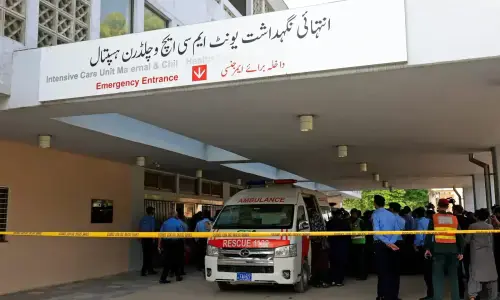
While this obsolete method that humiliated and further traumatised the victims has been banned, there is more work to be done when it comes to investigating cases of sexual violence. Here, the role of medico-legal officers is key, as they carry out the detailed examination of the survivor. Not only must they be trained to gather and store evidence to forensic standards, an essential part of their education must focus on how to limit the trauma sustained by a survivor of sexual assault. Too often, women who approach the police and other law-enforcement personnel are subjected to judgemental attitudes and gaslighting. Complaints of character assassination, victim blaming and inherent bias are common. As was evidenced by the remarks of then Lahore CCPO during the ghastly motorway rape case, such attitudes are unfortunately prevalent even at the very top. It is now the responsibility of the federal and provincial governments to go further and dismantle systemic gender discrimination.
Published in Dawn, January 8th, 2021