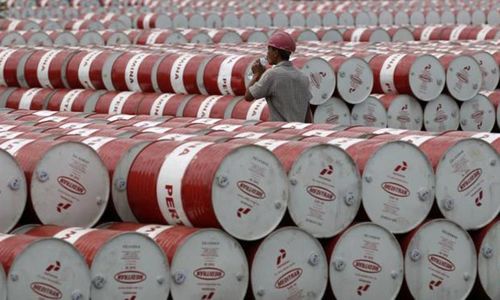
THE findings of a commission of inquiry regarding the abrupt, countrywide petroleum shortages in June lay bare the fragility of the oil supply chain and expose the role of the petroleum ministry, the industry regulator, oil companies and filling stations in causing fuel supply disruptions lasting almost four weeks. The crisis compelled pump owners to ration their stock and forced consumers to wait for hours at a stretch for a few litres of petrol during the peak of the Covid-19 pandemic.
The commission, which was set up by the prime minister, towards the end of July, pinpoints the reasons for the sudden scarcity of the vehicular fuel and identifies those responsible for it. It also proposes the dissolution of Ogra, and, action against oil companies and Petroleum Division officials.
The report, which was leaked to the media on Monday, puts Ogra, the oil and gas regulator, in the dock for failing to regulate the market, and blames oil companies and local refineries for misconduct and cashing in on the misery of the motorists. It also underscores the incompetence of petroleum ministry officials to make timely, informed decisions to ensure uninterrupted fuel supplies and to verify accurately the petroleum inventories maintained by oil companies.
The report primarily holds the oil-marketing companies responsible for fuel shortages through illegally halting supplies of stocks to petrol pumps following the government’s announcement of a large cut in retail prices to pass on the benefits of plunging global oil prices to the people. Barring two oil companies, Shell and state-owned PSO, all other oil firms were involved in this unlawful act and made between Rs6bn and Rs8bn (in profits) by holding back stocks. PSO and Shell, on the other hand, accrued losses of between Rs7bn and Rs8bn each as they continued their supplies to pumps.
Ogra’s role also remained questionable as it failed to move against the oil companies in time and take appropriate action to end the disruptions and ensure early resumption of supplies. The regulator did issue show-cause notices to nine OMCs but stopped short of penalising them commensurate with their misconduct. “Much of the mess that abounds in the oil industry pertains to Ogra … the show-cause notices seemed more of a ritual used as a defensive ploy on the part of Ogra,” the report reads.
Similarly, those running the show at the petroleum ministry do not have experience of working in the oil sector, which is why they made the wrong decision to place a ban on oil imports in March. The cabinet has now formed a committee to review the report and recommend punitive action against the individuals, firms and institutions found responsible. Since the government fixes the retail price and arranges supplies, it is important for it to punish those responsible for the shortages to revive public confidence in its authority.
Published in Dawn, December 16th, 2020