Steel Mills transaction structure for privatisation approved

ISLAMABAD: The Privatisation Commission (PC) on Thursday approved transaction structure for the privatisation of the Pakistan Steel Mills (PSM) and decided to present it to the Cabinet Committee on Privatisation (CCoP) for approval.
The meeting discussed the PSM’s privatisation structure in a holistic manner and was chaired by Privatisation Minister Mohammadmian Soomro.
The meeting was also attended by industries minister, board of investment chairman, privatisation and finance secretaries, financial advisers, adviser to PM on institutional reforms and special assistants to prime minister.
Earlier, the Islamabad High Court had ruled that advisers and special assistants cannot head government’s committees. Subsequently, the government will now re-constitute the CCoP to include elected representatives as members of the committee as well as its chairman.
An elected representative will likely replace Abdul Hafeez Shaikh as chairman since Mr Shaikh currently holds the portfolio as an adviser.
Under the transaction structure approved by the PC, majority of the shares of the PSM will be divested. Modalities in this connection will be decided once the structure is approved by the CCoP, official sources told Dawn.
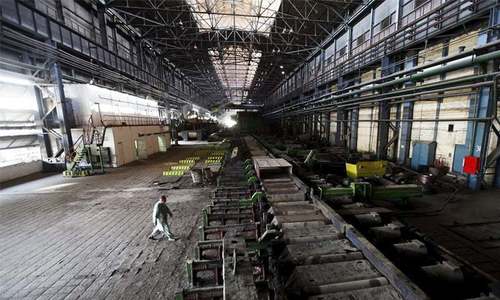
Meanwhile, it was agreed that a new company will be floated which will hold 1,200 acres of land of the PSM. Currently, the PSM spreads on 18,600 acres of land. The remaining land will be held by the state.
In September this year, the PC board had approved the transaction structure for the revival of the PSM which has not been operational since June 2015.
On Nov 28, the government laid off over 4,500 PSM employees following an emergency meeting chaired by the mill’s chief executive officer (CEO) at the CEO Secretariat.
The PSM was one of the premier state-owned enterprises which started commercial operations in the early eighties and played a pivotal role in the country’s economy when it became fully operational.
The transaction structure was agreed in principle and financial adviser was asked to move ahead with procedural follow up processes expeditiously. The PC after conducting due process appointed Pak China Investment Company and BOC International as joint lead financial advisers.
As per the available information, the financial adviser has proposed options including sale of majority shares to the newly-formed company or transferring identified core operating assets to private sector strategic partner by entering into lease agreement for a longer period.
Published in Dawn, December 11th, 2020