UNLIKE most ‘midnight knocks’ in this country of late, this one has at least had some consequences for the perpetrators. A statement by the ISPR yesterday said the ISI and Rangers officials involved in the “Karachi incident” have been removed pending further departmental proceedings for having acted “overzealously”.
It was in the early hours of Oct 19 that Rangers personnel, accompanied by some intelligence officials, had arrived at IG Sindh Mushtaq Mahar’s home and compelled him to accompany them to the local sector commander’s office.
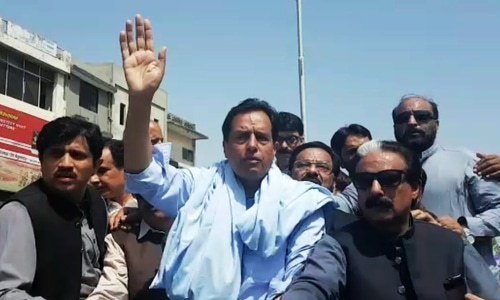
There, the province’s top cop was forced to sign arrest orders for Capt Mohammed Safdar who had been accused in an FIR of having violated the sanctity of the Quaid’s mausoleum the previous day. His arrest from the hotel room where he and his wife Maryam Nawaz were staying during their visit to Karachi for the PDM rally in the city hugely embarrassed the Sindh government.
The provincial police too was incensed; at least 13 senior officials applied for leave on the grounds that their high command had been “ridiculed” and the entire force left “demoralised and shocked”. What appeared to be snowballing into a full-blown crisis was somewhat defused only when army chief Gen Qamar Bajwa acceded to PPP chairman Bilawal Bhutto-Zardari’s request to hold an inquiry into the euphemistically termed “Karachi incident”. Now it turns out the FIR against Capt Safdar too was based on false information, adding to the already farcical nature of the episode.
It is in the fitness of things that a probe has been conducted and action initiated against those who trampled so brazenly upon the rule of law. However, this should not be the end of the matter. Junior officers, however zealous, would not act thus on their own initiative without a green signal from higher ups.
That Mr Bhutto-Zardari looked to Gen Bajwa to order an inquiry, and this was undertaken, also indicates that the perpetrators were taking instructions from individuals in the security establishment. Both the ISI and Rangers, whose top cadres comprise serving military officials on deputation, technically report to the prime minister and the interior minister, respectively. However, the near calamitous fallout of this episode indicates the perils of this chain of command being disturbed. The military has unnecessarily been dragged into an ugly political fracas, one that its reputation could well have done without. Security institutions must disengage from civilian affairs; therein lies the path of least controversy.
Published in Dawn, November 11th, 2020