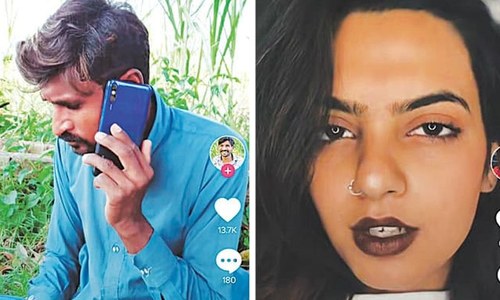
THE government’s ban on TikTok has come as a devastating blow to the video-sharing platform’s devoted community in Pakistan. Dubbed the “people’s platform”, the app, used and loved by citizens from all walks of life, was blocked overnight after an initial warning in July.
According to reports, Pakistan is the company’s 12th largest market, with 43m downloads — a testament to how accessible the app has been for people regardless of whether they live in a bustling city or a village. Millions of users are angry and dejected. For them, TikTok was an avenue for creative expression, commentary, comic relief and bizarre musings.
The app created ‘TikTok stars’ out of ordinary citizens who are otherwise shut out from traditional paths to celebdom; it gave so many a stage to showcase their talents. In many ways, the popularity of the app here was a celebration of how internet and mobile phone penetration can democratise a society. But unfortunately, the PTA put an end to that when it banned the app for “immoral and indecent” content. The dramatic decision came after a similarly worded statement was issued by the regulator some months ago; yet the statements offer no clarity on what the questionable content is and how it is harming the public.
It is disappointing that an app that provided hours of enjoyment has been denied to a young population living through a pandemic and devoid of entertainment. With every passing day, the state is growing bolder in its attempts to police morality. Whether it is the ban on a biscuit advertisement or apps such as Tinder or TikTok, the justification that something is ‘obscene’ is often invoked to roll out restrictions. What is more dangerous is that this outlook is endorsed by the prime minister who has been quoted as saying that TikTok is “vulgar” and “hurting societal values”.
With so many political and economic challenges, why is moral policing a top priority? The move to ban such platforms betrays paranoia and ignorance. Not only does it fly in the face of the promise of a ‘digital Pakistan’, it undermines the government’s pledges about giving opportunities to young people. This ban will hurt scores of users who leverage their social media following to generate revenue through ads. It also bodes badly for the future and will encourage more government bans and restrictions.
The question for the authorities is simple: where does it all stop?
Published in Dawn, October 11th, 2020