1
1

THE gang rape of a woman on the Lahore motorway has exposed many a weakness in administration and policing. What is most unfortunate is that, after her car broke down, the victim rang several helplines to get assistance for her vehicle, but because of a lack of coordination and a lethargic response, help came too late. The episode begs the following question: what is a citizen to do in an emergency situation, such as during a robbery or a medical crisis at home? That the episode has compelled the government to formulate a national emergency helpline is welcome news — and a step that requires careful thought and spadework. It is a shame that citizens do not have an easy way of reaching emergency services in moments of crisis, and that they need to know the ins and outs of a labyrinthine system of public services with different jurisdictions and mandates to navigate an already fraught situation.
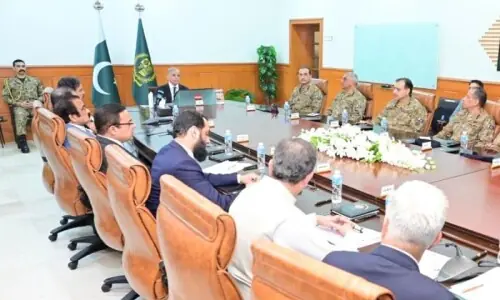
There are several successful models around the world that can be studied and adapted to create a singular national helpline in Pakistan. Several aspects must be considered and different requirements identified; a coherent plan would need to be drawn up for each of those requirements to be met; cost, expenditure and income streams must be considered, as well as staffing, technical resources and contingency plans. One example of a successful coordination effort is the National Command and Operation Centre that is dealing with the coronavirus pandemic in the country. However, given the perennially difficult relationship between the provincial and federal governments, will this project become a reality? The success of such an endeavour is contingent upon the cooperation of different entities and public bodies. With services unevenly distributed across the country, the challenges are indeed daunting. Sindh still does not have a Rescue 1122 service, and service distribution between urban-rural areas is also patchy. An effort of this magnitude must first begin with provinces consolidating their resources internally. The ultimate goal should be to provide citizens with the best and fastest support available in their area, and doing so in a coordinated way can also help identify which areas need further development. The provincial and federal authorities should rise to the challenge and approach this by putting aside their differences. This is a serious national priority. Citizens in distress should not be forced to run from pillar to post to request help.
Published in Dawn, October 2nd, 2020