Food, fuel prices drive inflation to 9.3pc in July

ISLAMABAD: Inflation edged up to 9.3 per cent in July, from 8.6pc in June, on the back of a hefty jump in prices of petroleum and food products, showed data released by the Pakistan Bureau of Statistics (PBS) on Monday.
In July 2019, the price levels rose by 8.4pc.
The PBS data show that wheat price surged by 28.5pc in July from the previous month, wheat flour 18.5pc, and wheat products 16pc, respectively. Similarly, an increase of 17pc was noted in the retail price of sugar across the country.
Prime Minister Imran Khan has held several meetings especially on the wheat issue, with the latest one on Monday to contain the rising prices of the crop but so far no letup has been observed.
The average CPI in FY20 rose to 10.74pc, from 6.8pc in the year before — highest level since 2011-12 when it stood at 11.01pc.
The Covid-19 outbreak has weakened consumer demand putting downward pressure on commodity prices, but there are risks of supply disruptions. However, the subdued production of sugar and wheat has also contributed to an increase in food inflation in the last few months.
On the other hand, the government has also increased petroleum product prices substantially, causing an increase in non-food inflation. Food inflation is still in the double-digits, posting a rise in the outgoing month. In urban areas, it jumped by 15.1pc in July on a yearly and 3pc on a monthly basis, whereas the respective price level growth in rural areas stood at 17.8pc and 4pc.
In urban areas, food items which saw an increase in prices in July from the previous month included tomatoes, soaring by 179.19pc, vegetables 23.84pc, onions 16.61pc, eggs 10.82pc, spices 7.57pc, wheat 7.42pc, potatoes 4.58pc, meat 3.97pc, sugar 3.82pc, beans 3.07pc, chicken 2.6pc, milk products 1.74pc and milk 1.37pc.
The items whose prices declined in urban areas were: daal moong, down 10.72pc, daal masoor 6.27pc, fruits 6.24pc, daal mash 2.71pc, gram whole 2.7pc, pulse gram 2.39pc, wheat flour 1.51pc and cooking oil 1.34pc.
In rural areas, price increase were seen in tomatoes, higher by 241.4pc, onions 25.57pc, vegetables 21.63pc, eggs 13.84pc, wheat 10.84pc, potatoes 5.33pc, sugar 3.67pc, rice 2.96pc, chicken 2.58pc, honey 2.06pc, meat 1.82pc, bakery and confectionary 1.74pc, wheat flour 1.73pc, readymade food 1.72pc, condiments and spices 1.48pc, beans 1.47pc, and milk fresh 1.23pc.
On the other hand, drag on price levels came from daal moong, decreasing by 13.42pc, fresh fruits 6.62pc, pulse gram 4.98pc, besan 4.42pc, daal masoor 4.06pc, daal mash 4.04pc, and gram whole 4pc.
Meanwhile, non-food inflation in urban centres was recorded at 3.9pc year-on-year and 1.7pc month-on-month whereas in rural areas, it rose by 6.3pc and 2pc, respectively.
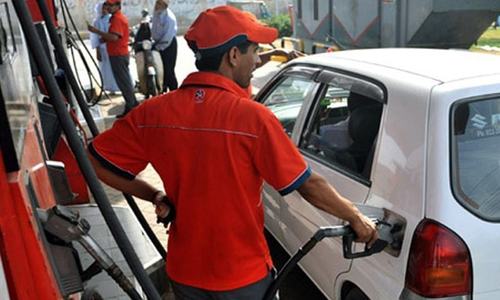
The increase in non-food inflation was mainly driven by a hefty rise in oil prices in July.
The urban consumer price index covers 35 cities and 356 items, while the rural one tracks 27 centres and 244 products. The former grew by 7.8pc year-on-year in July whereas the latter jumped by 11.5pc.
Core inflation in urban areas was 5.3pc in July as against 6.5pc the previous month. In rural areas, the corresponding increase was 7.6pc and 8.8pc, respectively.
The central bank determines the key policy rate — currently at 7pc — based on the core inflation rate. The SBP has reduced the rate by a cumulative 625 basis points since March 17 to combat uncertainty amid growing coronavirus outbreak.
Average inflation measured by the sensitive price index crawled up to 13.15pc during July from 8.9pc during the same period last year, while the wholesale price index dipped to 3.2pc during the month under review from 13.13pc.
Published in Dawn, August 4th, 2020