WB approves $500m loan for Pakistan’s budget support


 9
9


ISLAMABAD: The World Bank (WB) on Tuesday announced that it has approved another $500 million loan to Pakistan for the country’s budget support following its increased expenditures on Covid-19 crisis response.
In a statement, the bank said its board of directors approved the financing for the Resilient Institutions for Sustainable Economy (RISE) programme to help Pakistan strengthen fiscal management, promote transparency and private sector growth and undertake foundational reforms in the energy sector to transition to low-carbon energy.
These reforms are critical to build fiscal resilience and stimulate recovery from impacts of the Covid-19 pandemic, it said. “Pakistan is suffering a significant fiscal shock from the economic fallout from the pandemic and the increased spending on crisis response, including emergency healthcare, social protection, and business support,” said Illango Patchamuthu, the World Bank Country Director for Pakistan.
“The RISE programme supports the government efforts to achieve macroeconomic stability, accelerates long-delayed policy reforms, and sets the course for a strong and competitive economy,” he said.
The programme supports reforms to broaden the tax base and reduce distortions in tax policy, strengthen debt management and transparency, and implement urgently needed reforms to achieve financial viability of the power sector. In tandem, reforms to lower barriers to the formalisation of firms, increase the use of digital payments, and better regulate real estate developments will help create an enabling environment to attract private investment.
The RISE programme supports reforms such as harmonising sales tax and making the trade tariff structure more competitive.
“This could help the country attract new investments and spur economic recovery,” said Shabih Mohib, Lead Country Economist for the World Bank. Taken as a whole, the RISE programme could build a foundation for sustainable growth driven by the private sector.
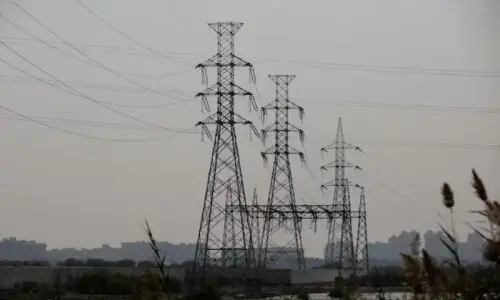
The programme also supports the foundations for a move toward a low-carbon and more financially viable power sector.
The programme includes reforms to improve the integrity of the banking sector, promote digital finance, and create a more competitive national tariff policy to promote trade and reduce costs to consumers.
The digital finance component of the programme will help deepen electronic money transactions and digital payments will benefit populations with limited mobility, such as women and low-income populations.
The RISE programme is aligned with the government’s Covid-19 crisis response, which aims to scale up spending on health and social protection while pursuing macro-fiscal reforms in the face of economic contraction, the bank said, adding it complements the Securing Human Investments to Foster Transformation (SHIFT) which focuses on human capital and an upcoming programme for Affordable and Clean Energy (PACE) which will tackle power sector reforms. The PACE programme, which will include critical power sector reforms needed to put the country on sustainable fiscal path, will precede the second programmes of RISE and SHIFT.
The project will be financed by a $250m credit from the International Development Association (IDA) and a $250m loan from the International Bank for Reconstruction and Development (IBRD). The IDA credit has a maturity of 30 years with a 5-year grace period and the IBRD loan has a maturity of 25.5 years and 5.5-year grace period.
Published in Dawn, July 1st, 2020