Chinese seeds to enhance cotton crop yield, says food minister

ISLAMABAD: Technological advancement is imperative in order to increase per acre cotton yield in the country, Minister for National Food Security and Research Syed Fakhar Imam said on Saturday.
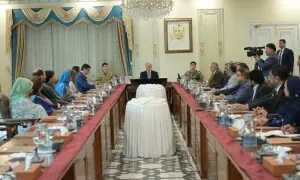
Talking to a delegation of Pakistan Cotton Ginners Association (PCGA), Imam said that his ministry was working on transfer of Chinese seed technology for enhancing crop yield, besides securing funds to reduce cost to make cotton production a profitable business.
The PCGA delegation, led by chairman Sohail Javed, apprised the minister about issues and challenges faced by the local cotton sector and said the declining production was affecting ginning the most.
They added that other issues like piled-up tax refunds, slower buying of cotton by All Pakistan Textile Manufacturers Association, and liquidity crisis hampering the ginning sector adversely during the Covid-19 outbreak.
Imam said the ministry would take up the taxation issue with the Finance Division and leave no stone unturned to get relief for the ginning sector.
NA informed Plant Breeders Act not being implemented properly
He also asked PCGA to send a set of proposals for modernising the ginning sector and upgrade technology to improve the quality of lint produced in Pakistan.
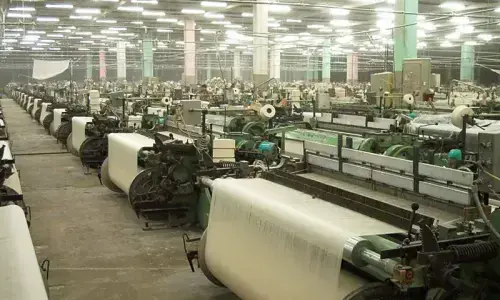
The delegation informed that over 1,300 ginning factories are installed across the cotton belt and these have the ability to gin 14 million bales but due to short production for a few years, only 800 were in operation last year.
It’s a seasonal business and that’s why most of the ginning factories also have oil extraction units to utilise the cottonseed — a byproduct — and convert into oil and cottonseed cake.
Meanwhile, speaking during the National Assembly session, the minister said the Seed Act and Plant Breeders Act have become laws a couple of years ago but were still not being implemented properly.
Pakistan is lagging behind in research which is also resulting in low cotton output, he regretted.
Imam stated that universities and research departments should be groomed and advanced technology be applied for the benefit of agriculture.
The minister said there is no doubt that Pakistan is an agro-based country but we have not focused on it as we should have over the years.
Roughly 24m hectares of area is under cultivation of our total agriculture land.
“We should have grown between 35m and 40m tonnes of wheat now. The country is importing the crop as we are lagging behind our needs. Even after almost ten years, our price is less than the international market,” he said.
About the drawbacks in tackling the desert locust crisis, he explained that pace of the operation was slow due to non-availability of micron sprayers. Now the Food and Agriculture Organisation and Department for International Development have supplied twenty of those, which would help boost the operation.
Similarly, the plant protection department was facing a shortage of trained manpower to handle the anti-locust operation at large scale. “At present we have only thirty experts whereas 300 are required to carry it out,” he said.
Published in Dawn, June 28th, 2020