New virus cases threaten world's moves back to work
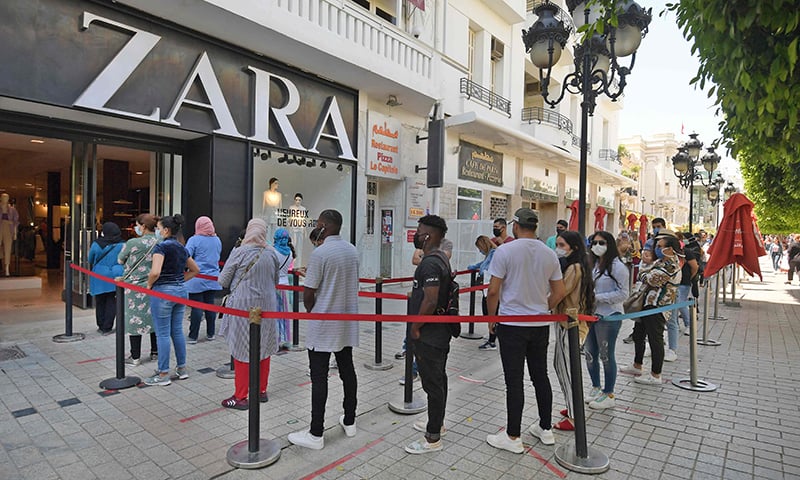

Russia and India eased coronavirus restrictions on Tuesday, despite facing upsurges in infections and expert warnings that the world could face a second wave epidemic.
Chinese authorities, meanwhile, moved to test the entire 11-million strong population of the city of Wuhan, cradle of the global pandemic, after new cases were reported there.
In Russia, the government began to gradually ease lockdown rules as the country's infections surged past 232,000 — now the second most in the world after only the United States, according to an AFP tally.
The grim landmark came as President Vladimir Putin's spokesman Dmitry Peskov told news agencies he has the virus.
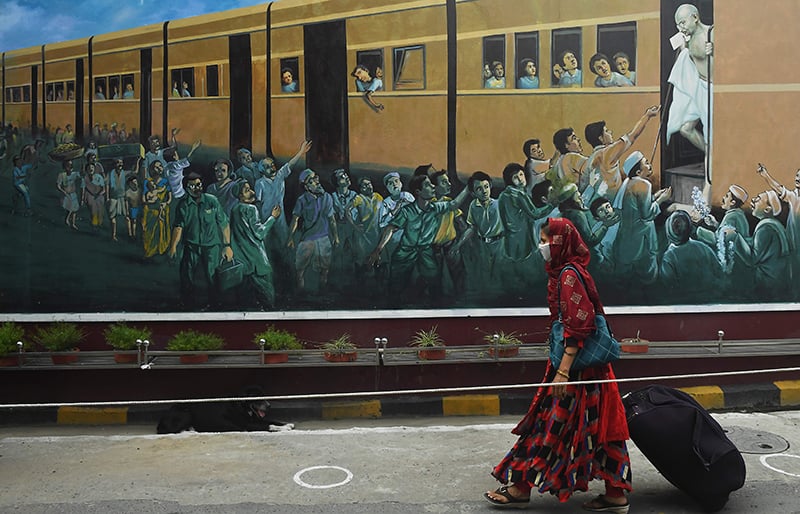
Meanwhile, in giant India, the railway network ground back to life, in defiance of a recent surge in the number of infections, with 3,600 recorded on Monday, just below Sunday's record tally.
The country of 1.3 billion imposed a strict shutdown in late March, which Prime Minister Narendra Modi's government has credited with keeping cases to a modest 70,000, with around 2,300 deaths.
Iran also eyed a cautious easing of its restrictions and said it would reopen mosques for three nights this week for the first time since March, after struggling to contain the outbreak that has killed more than 6,700 people in the country.
South Korea, credited with one of the world's more successful anti-virus campaigns, said it was using mobile phone data to track Seoul's nightclub visitors after a cluster of new cases.
The outbreak — which forced a delay in reopening schools — involves gay venues and potential carriers are feared to be reluctant to come forward because of the stigma surrounding homosexuality.
And in Britain, which already has Europe's most confirmed deaths, the Office of National Statistics said reports from care homes for the elderly suggest the government's tally of 32,065 deaths underestimates the full toll.
Precautionary economic and social lockdowns have paralysed much of the global economy and, while many areas are now cautiously moving back to work, world markets are trading cautiously amid fears of a second wave epidemic.
'Needless suffering'
The US — where at least 80,000 people have died — has by far the world's highest caseload, but President Donald Trump is keen to reopen the economy quickly amid soaring job losses.
He faces resistance, however, and Washington's top epidemiologist Anthony Fauci has warned of “needless suffering and death” if Americans return to work and group leisure activities before the pandemic is under control.
“If we skip over the checkpoints in the guidelines to: 'Open America Again,' then we risk the danger of multiple outbreaks throughout the country,” Fauci told the New York Times in an email.
“This will not only result in needless suffering and death, but would actually set us back on our quest to return to normal,” he warned, ahead of testimony to a Senate committee.
On Monday, the World Health Organisation had warned of the need for “extreme vigilance” against a second wave.
'Driving blind'
In Russia, Putin ordered a cautious return to work from Tuesday, but the gradual effort was overshadowed by a fire in a Saint Petersburg hospital's intensive care unit that left five people dead.
Observers were also nervously eyeing Wuhan, where the virus was first reported late year, after the Chinese city registered the first cluster of new Covid-19 infections since it reopened after a 76-day lockdown on April 8.
Cautious optimism in some quarters was also tempered by the increasingly dire economic situation, with Belgium's Brussels Airlines becoming the latest carrier to warn of massive job losses.
The virus has now killed more than 286,000 people around the world, according to AFP's tally. The number of infections has surpassed 4.1 million, but seems to be slowing.
“The good news is that there has been a great deal of success in slowing the virus and ultimately saving lives,” WHO chief Tedros Adhanom Ghebreyesus said.
But the agency's emergencies chief Michael Ryan lamented that some governments were choosing to “drive through this blind” by not ramping up capacity to test for and trace the virus.
White House fears
The virus appeared to have gained a foothold in the White House at the weekend, with a second confirmed case.
West Wing staff were told on Monday they had to wear masks, and Trump said he might limit contact with his deputy after an aide to Vice President Mike Pence tested positive.
Trump, who is desperately seeking to reboot the economy ahead of the November election, said the US was making “tremendous strides” in ramping up testing.
“The people want our country open,” he said.
On Tuesday, France reported a 27 per cent plunge in economic activity for April compared with pre-pandemic forecasts.
Japanese auto giant Toyota said it expected a 79.5pc drop in annual operating profit this fiscal year, calling the effect of the virus “wide-ranging, significant and serious”.