No need to involve US to resolve bilateral issues, Pakistan tells Afghanistan


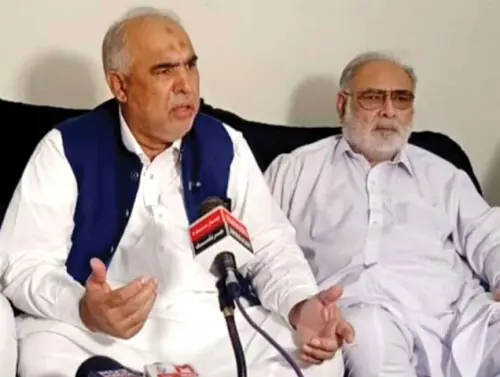
Any reservations Afghanistan has with Islamabad should be resolved bilaterally rather than involving the United States, Minister of Foreign Affairs Shah Mahmood Qureshi said on Sunday, in reference to part of a joint US-Afghan declaration on peace efforts.
The declaration was announced on Saturday by Afghan President Ashraf Ghani, US Defence Secretary Mark Esper and NATO Secretary-General Jens Stoltenberg at a ceremony to coincide with the signing in Doha of an agreement between the Taliban and the United States.
“The United States commits to facilitate discussions between Afghanistan and Pakistan to work out arrangements to ensure neither country’s security is threatened by actions from the territory of the other side,” one of the clauses of the declaration reads.
Pakistan bristled.
“They should talk directly to Pakistan. The US is planning to withdraw and we will always remain neighbors,” Qureshi told Reuters in an interview, referring to Washington’s intent to withdraw troops from Afghanistan.
“If I have an issue with Afghanistan, I will not ask Washington to play a role.”
Pakistan and Afghanistan have been at loggerheads for years. Kabul publicly blames Pakistan for harbouring Taliban leaders after they were ousted from power Afghanistan in 2001, and allowing safe havens for attacks against international and Afghan forces.
Islamabad has denied these allegations and blames Afghanistan for giving anti-Pakistan militants refuge to plot attacks in Pakistan, which, in turn, Kabul denies.
“You know a trust deficit has existed and Pakistan has done its best to bridge that trust deficit,” Qureshi said, adding there are institutionalised mechanisms through which Afghanistan can raise “any issue under the sun” instead of turning to the United States.
He said that the US-Taliban agreement in Doha would never have happened if Pakistan had not convinced everyone that there was no military solution to the 18-year conflict in Afghanistan.
The Doha agreement was signed by US special envoy Zalmay Khalilzad and Taliban political chief Abdul Ghani Baradar.
Under it, Washington committed to a full withdrawal in 14 months, and to working with allied international forces to do the same – contingent on the Taliban keeping a pledge to renounce violence and sever ties with militant organisations threatening the Untied States and its allies.