

Law minister, lawyer’s leader oppose NA resolution on public hanging
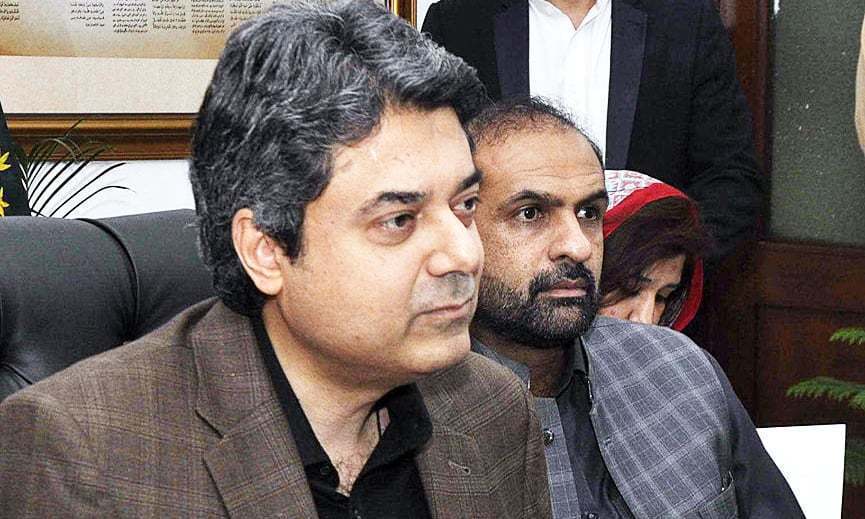

ISLAMABAD: Federal Law Minister Farogh Naseem on Saturday opposed the resolution adopted in the National Assembly suggesting exemplary punishment of public hanging for people convicted of sexually abusing and killing children.
“Public hanging does not only violate a Supreme Court verdict but is also against Islamic injunctions,” he said in a statement.
Talking to Dawn, the law minister cited a 1994 Supreme Court judgement which held that public hanging, even of the worst criminal, appeared to violate the dignity of man and constituted a violation of the fundamental right guaranteed under Article 14 of the Constitution.
“The law ministry is not going to bring anything which is not only against the law and the constitution but also against Islam,” the minister said. If someone felt aggrieved with the judgement, he must approach the apex court to get its order reviewed, he added.
Mr Farogh recalled how in 1994 a five-judge Supreme Court bench — comprising then chief justice Nasim Hassan Shah, Justice Shafiur Rehman, Jutice Saad Saood Jan, Justice Abdul Qadeer Chaudhry and Jutice Sajjad Ali Shah — had taken suo motu notice against the public hanging as suggested in the Section 10 of the Special Court for Speedy Trials Act 1992.
Citing Article 14(1) of the Constitution, the Supreme Court had held that dignity and self-respect of every man was inviolable and this guarantee was not subject to law rather was an unqualified guarantee.
Accordingly in all circumstances, the dignity of every man was inviolable and executing in public, even the worst criminal, appeared to violate dignity of man, the judgement had stated.
When the case was taken up, the then attorney general had also made a statement before the Supreme Court that the then government had decided, as a matter of policy, that it would not carry out execution of criminals sentenced to death in public despite the powers vesting in the then law.
Like the law minister, the vice chairman of the Pakistan Bar Council also condemned the resolution, saying it was not only against human dignity but also violated Article 14 of the Constitution.
“It is irony that the resolution having no legal status and being also violative of verdicts of superior courts of the country against the public hanging, has been passed despite opposition by members of the National Assembly belonging to the treasury as well as the opposition benches,” regretted Abid Saqi.
Published in Dawn, February 9th, 2020



























