Food dept submits report to court: 204 mills found involved in creating flour fiasco


 17
17


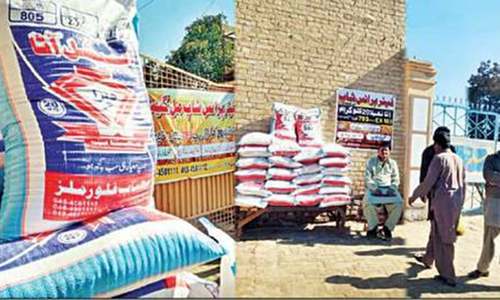
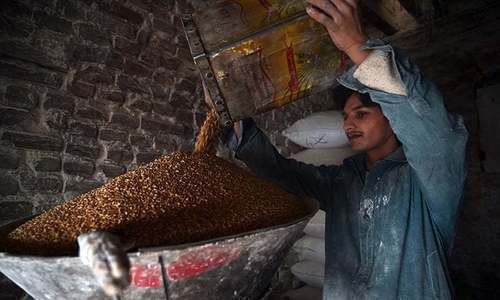
LAHORE: At least 204 mills have been found involved in creating wheat flour crisis in Punjab, reveals a report of the food department also submitted to the Lahore High Court.
The department also announces introduction of a software for real-time monitoring of flour movement from Jan 27 (last Monday).
The report, a copy of which is available with Dawn, reveals that 14 of the mills, whose licences were suspended following verification of their role in the crisis, were located in Lahore division, eight in Rawalpindi, two each in Gujranwala and Multan, one each in Dera Ghazi Khan and Sahiwal divisions.
The report says that Since Dec 1, 2019, besides suspending licences of 28 mills wheat quota of 176 others has been put on hold, whereas a sum of Rs56.2 million as fine has been recovered from the units involved in the flour ‘scam’.
It claims that most of the people found to be guilty of creating the flour shortage belonged to influential political personalities, some of them also in the government.
A senior food official says that with the collaboration of Punjab Information Technology Board (PITB) they have launched a real-time flour monitoring software, Flour Ledger Management Information System, with effect from Jan 27 in Lahore on an experimental basis and the same would be extended to the entire Punjab by February end.
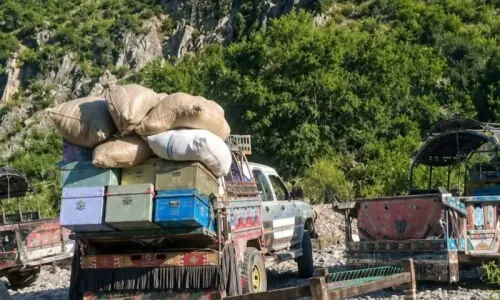
The report informed the court that the wheat flour crisis cropped up mainly because of the stress on demand in the wake of either no or less than the required procurement of wheat by the adjacent three provinces – Sindh, Khyber Pakhtunkhwa and Balochistan – during the 2019-2020 season contrary to the targets assigned by the federal government.
It revealed that neither Sindh nor Balochistan governments procured a single grain in the last season, while the KP procured just 77,000 ton of wheat against the assigned target of 300,000 ton.
Another factor, the report says, was rupee devaluation making exports by private traders lucrative.
It says price of wheat in the open market began to rise soon after close of the 2019-20 procurement drive in June 2019 and claims that feeling stress in the market the Punjab government started releasing wheat from public stocks in August, two months before the past practice, to bring about stability in the market.
Published in Dawn, January 31st, 2020