‘Indus second most plastic-polluted river in the world’


KARACHI: While Pakistan’s plastic manufacturing industry is thriving at an average annual growth rate of 15 per cent, campaigns aimed at making countries and oceans plastic-free are gaining strength across the world.
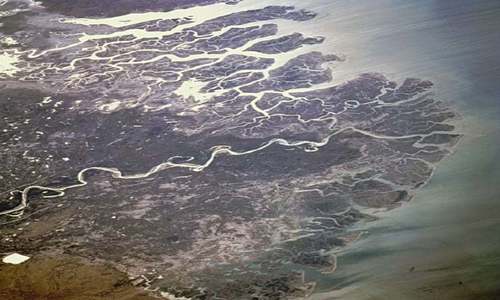
An estimated 624,200 tonnes of plastic is being produced annually in Pakistan, home to some 6, 000 plastic products’ manufacturers. The Indus River contributes 164,332 tonnes of plastic waste (to the sea) annually.
These points were raised at a seminar titled ‘An approach to the solution of plastic pollution’, which was organised on Wednesday in memory of Prof Mustafa Shameel by the Office of Research, Innovation and Commercialization at Karachi University (KU).
Highlighting the hazards of plastic, Dr Anjum Nawab, assistant professor at the KU’s department of food science and technology, said major chemicals used in the manufacturing of plastic were highly toxic and cannot be digested by the earth even in centuries, which was why it posed a serious threat to living beings of all species on earth.
Toxic chemicals contained in plastic, according to her, cause neurological problems, cancer, birth defects, hormonal changes, gastric ulcer, thyroid problems and cardiovascular diseases.
To address plastic pollution, she suggested the strategy of reducing (the use of) and reusing (non-toxic plastic containers) plastic products.
She also recommended the use of different types of biodegradable plastics.
Sharing some data during her presentation, Shahzeen Pervaiz representing the World Wide Fund for Nature-Pakistan said annually almost eight million tonnes of plastic entered oceans globally, which meant plastic accounted for 60 to 80 per cent of marine garbage.
“The Indus River is the second most polluted river with plastic in the world while the first, third and fourth polluted rivers belong to China. The Nile River in Africa is fifth in this list,” she said.
According to her, the PET (polyethylene terephthalate) plastic widely used for packing food, beverages, especially soft drinks, juices and water, is not biodegradable and contaminates waterways and causes death of marine animals when they ingest it.
She also spoke about the campaign launched by UN Environment (UNEP) and its partners working closely with African governments to establish policies and create programmes that were geared towards a plastic-free continent.
In 2017 UNEP launched CleanSeas, with the aim to engage governments, the general public, civil society and the private sector in the fight against marine plastic litter, she pointed out.
Acting KU Vice Chancellor Prof Khalid Mahmood Iraqi talked about the role society could play in tackling plastic pollution.
“We must reduce the use of plastic to zero and adopt alternate means. People should cooperate with authorities to promote plastic-free practices,” he said.
Dr Hina Shehnaz, an assistant professor at the department of environmental sciences at Sindh Madressatul Islam University and ORIC director Prof Alyia Rehman also spoke.
Published in Dawn, October 24th, 2019