RIYADH: Drone attacks sparked fires at two Saudi Aramco oil facilities on Saturday, the interior ministry said, the latest such assault claimed by Yemeni rebels following a spike in regional tensions with Iran.
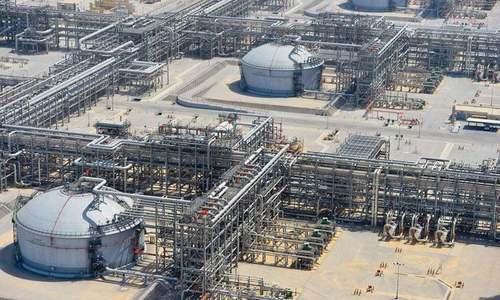
Huge palls of smoke rose into the sky after the pre-dawn attacks on Abqaiq and Khurais, two major Aramco facilities in eastern Saudi Arabia as the state-owned giant prepares for a much-anticipated stock listing.
The attacks highlight how the increasingly advanced weaponry of the Iran-linked Houthi rebels — from ballistic missiles to unmanned drones — poses a serious threat to oil installations in Saudi Arabia, the world’s top crude exporter.
“At 4am the industrial security teams of Aramco started dealing with fires at two of its facilities in Abqaiq and Khurais as a result of... drones,” the interior ministry said in a statement carried by the official Saudi Press Agency. “The two fires have been controlled.”
The statement added that an investigation had been launched after the attack in the kingdom’s Eastern Province, but did not specify whether operations at the two facilities had been affected.
Interior ministry spokesman Mansour al-Turki said there were no casualties. But the full extent of the damage was not immediately clear as reporters were not allowed near the plants where Saudi authorities appeared to have beefed up security.
In recent months, the Houthi rebels have carried out a spate of cross-border missile and drone attacks targeting Saudi air bases and other facilities in what they say is retaliation for a long-running Riyadh-led bombing campaign on rebel-held areas in Yemen.
The rebels launched “a large-scale operation involving 10 drones that targeted refineries in Abqaiq and Khurais in eastern Saudi Arabia”, the group’s Al-Masirah television reported.
Last month, an attack claimed by Houthi rebels sparked a fire at Aramco’s Shaybah natural gas liquefaction facility — close to the Emirati border — but no casualties were reported by the company.
Rebel drones also targeted two oil pumping stations on Saudi Arabia’s key east-west pipeline in May, shutting it down for several days.
The latest strikes drew swift condemnation from Riyadh’s Gulf allies, the United Arab Emirates, Bahrain and Kuwait.
Growing Houthi attacks underscore how Saudi infrastructure, including oil installations, are increasingly vulnerable to rebel attacks four years after a Saudi-led coalition launched a military intervention in Yemen.
The Abqaiq facility, 60 kilometres southwest of Aramco’s Dhahran headquarters, is home to the company’s largest oil processing plant. Khurais, 250 kilometres from Dhahran, hosts a major Aramco oil field.
“Depending on the extent of the damage and any outages, Aramco will use its contingency plans by tapping into its storage if necessary,” Samir Madani, co-founder of shipping monitoring website Tanker Trackers, said.
“The Saudis are using language in their statements to assure customers that the fires are under control. But there could be supply disruptions if the damage at Abqaiq is extensive.” The Abqaiq plant, which Aramco says plays a “pivotal role” in its operations, has been targeted by militants in the past.
In an attack claimed by Al Qaeda in February 2006, suicide bombers with explosive-laden vehicles attempted to penetrate the processing plant, killing two security guards.
The two bombers also died in the attack, which failed to breach the compound, authorities reported at the time.
Riyadh had reportedly hoped for a quick win against the Houthis, but instead waded into a quagmire that has cost it billions of dollars and tarnished its reputation, while sparking a humanitarian crisis in Yemen.
Published in Dawn, September 15th, 2019