IN several constituencies, candidates with strong links to sectarian militancy and jihadi groups are being allowed to contest the general elections. What is most worrying is that the institutions that have the legal and constitutional powers to block these elements’ entry into electoral politics are looking the other way.
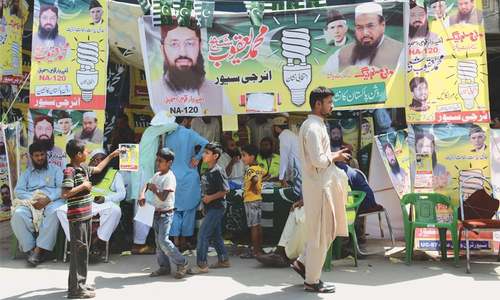
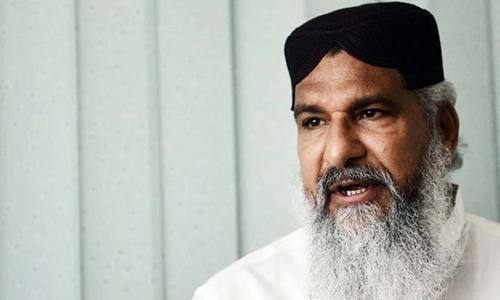
Chief of the banned Ahle Sunnat Wal Jamaat Ahmed Ludhianvi is contesting the polls as an independent from Jhang while the sectarian outfit’s Karachi-based leader Aurangzeb Farooqui is also fighting for a National Assembly seat from the platform of the Rah-i-Haq party.
Read: Bringing militants into the mainstream
Ludhianvi was taken off the Fourth Schedule by the caretaker set-up, while Farooqui is being backed in his constituency by the PTI, PML-N and a former provincial minister belonging to the PPP.
In Punjab, cadres of the Milli Muslim League — the political front of Jamaatud Dawa — are taking part in the polls under the Allah-o-Akbar Tehreek banner. In Balochistan, Ramzan Mengal, an ASWJ leader, is running for a Quetta seat while Shafiq Mengal, the alleged leader of a feared death squad that is believed to have had both sectarian and Baloch nationalist targets, is campaigning for a Khuzdar seat.
But it is not just the state and security establishment that appear to be playing ball with violent extremists; mainstream parties have also courted hardliners for votes. For example, it is of concern to note that former prime minister Shahid Khaqan Abbasi sought the ASWJ’s electoral support recently.
Extremist elements who forsake the way of the gun, eschew the path of religious and sectarian hatred and respect democratic norms have a right to become part of the electoral process.
However, in the aforementioned cases, there is little evidence that any of these individuals and organisations have renounced the politics of hate and violence. This puts a question mark over the state’s counterterrorism strategy.
If extremists are allowed to contest for seats and make it to the legislatures without renouncing violence, what is to be made of NAP’s goal three which states that “militant outfits and armed gangs will not be allowed to operate in the country”? What good is banning organisations when they reappear with new names, and when militant leaders run for office?
As for political parties courting extremists for votes, they should realise that should the hardliners get their way, the whole democratic edifice will be wrapped up and replaced with something much darker.
Published in Dawn, July 23rd, 2018