The United Nations on Monday rejected a call by the Saudi-led coalition battling rebels in Yemen for the key port of Hodeida to be placed under its supervision.
The coalition made the appeal following an attack on a boat carrying Somali refugees off the coast of Yemen that killed 42 people, and as the country faced famine.
UN spokesman Farhan Haq said the warring sides in Yemen have a responsibility to protect civilian infrastructure and civilians.
“These are not obligations they can shift to others,” Haq said.
Hodeida, which is a key transit point for desperately-needed imports, is controlled by Houthi rebels fighting the Saudi-backed government.
The coalition said in a statement Sunday that it was not responsible for the attack on the refugee boat in the area of Hodeida and called for the port to be “placed immediately under United Nations supervision.” Hodeida serves 70 percent of the country's population affected by a severe food crisis in Yemen, which is almost entirely dependent on imports of food and other commodities.
“The humanitarian community delivers assistance in Yemen solely based on needs and not on political considerations, and will continue to do so through all available means,” added Haq.
About 7.3 million people in Yemen are in dire need of food aid in the largest food insecurity emergency in the world, according to the United Nations.
The Saudi-led coalition waging a military campaign against rebels has been accused of imposing a blockade on Yemen to prevent supplies from reaching civilians.
Placing Hodeida under UN supervision would “facilitate the flow of humanitarian supplies to the Yemeni people, while at the same time ending the use of the port for weapons smuggling and people trafficking,” said the coalition statement.
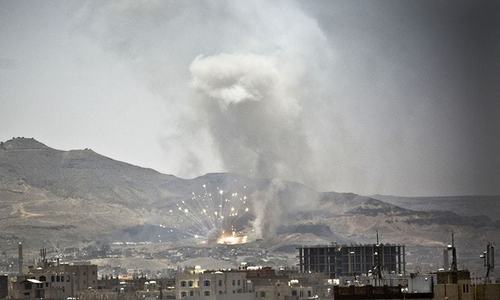
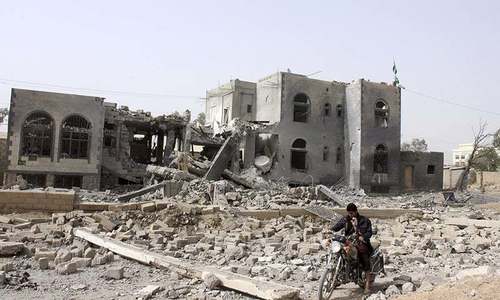
More than 7,000 people have died since the coalition began its air war in March 2015 to drive out the Iran-allied Houthis.
The United Nations is calling for an inquiry by all the parties of the attack on the refugee boat.