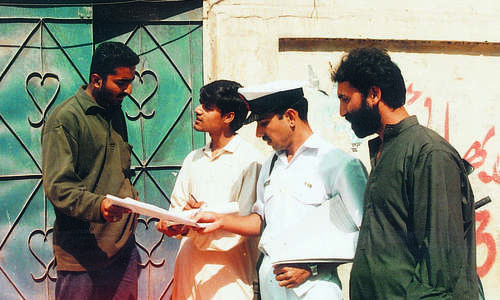
The start of a new census exercise is a welcome development, and now more than ever before the authorities must do everything to ensure that the results are credible and not marred by allegations of being manipulated.
Critically, the requirement to present a CNIC needs to be reconsidered because it will result in a large number of people either not being counted at all, or being counted as foreigners. Trying to count foreigners is itself a tricky task if it relies on self-designation as the criterion.
Even though internal migration is not being targeted for data collection, an assessment of migration patterns will still be possible using the reported figures for mother tongues. In previous census exercises in the country, this had been a particularly strong sticking point since both Sindh and Punjab have difficulty in acknowledging the number of migrants settled in their respective areas of jurisdiction.
Also read: ‘Call yourself Sindhi’ campaign picks up pace two days ahead of census
This time it is crucial that the census reflect a realistic picture of how the demographic balance has changed in each province since the last count was held in 1998.
The data gathered by the enumerators will be used for a wide variety of purposes that go far beyond seat shares in parliament and the NFC award. This is our chance to get a clearer picture of the demographic balance, as well as of urbanisation trends in the country. The data can be used by law enforcement as well as local governments — for example when deciding shares in district finance commission awards.
For so many reasons that have little to do with politics, the quality of the data must stand above reproach and suspicion, and with the start of the exercise, the burden of ensuring that rests more than ever on the shoulders of those tasked with overseeing the operation.
Transparency is the biggest support they will have in ensuring a credible outcome. In the past, suspicions have been raised as a result of the quality of analyses done on the census information, so it would be an idea for the authorities to release the data quickly and make it accessible to multiple research communities simultaneously.
The speed of the turnaround will go a long way towards dispelling any suspicions of possible tinkering. Hopefully, the process to collate the data into a spreadsheet format is well thought through since simply making the entries in a useful format will be an enormously time-consuming exercise and should not be required to be performed more than once.
The results are eagerly awaited because this is the first time we will be getting data on a number of fronts, such as the transgender community or the number of households with a functioning toilet.
Part of the burden of ensuring credibility also rests with provincial governments now that they have a voice at the table, and spurious allegations of wrongdoing must be avoided.
Published in Dawn, March 14th, 2017