0
0
LAHORE: Experts at a session on Friday discussed measures to ensure the effective implementation of newly-enacted anti-honour killing law and conviction of the perpetrators of ‘honour’ crimes.
Lawyers, civil society, prosecutors and police officers attended the discussion held by the Punjab Commission on the Status of Women (PCSW) and the Human Rights Commission of Pakistan.
PCSW Chairperson Fauzia Viqar opened the discussion sharing figures on honour crimes from Punjab, which showed an increase in the number of honour killings each year.
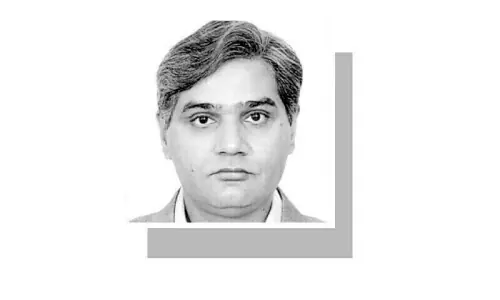
Rights activist and law Asad Jamal said a significant number of cases of ‘honour’ crimes continued to be ‘compromised’ since perpetrators were members of the victim’s own family. He said this made criminal prosecution impossible.
Deputy Prosecutor General Khurram Khan said main reason for non-prosecution of the criminals was due to the lack of evidence and insufficient investigation by investigating officers.
Significant number of ‘honour’ crime cases continued to be ‘compromise’
He said definition of ‘honour’ killing had not been provided clearly even in the new legislation, which could benefit the perpetrators.
Assistant Prosecutor General Abdul Qadir Bari said that enhancing punishment of any crime would not serve the purpose alone but implementation of the laws.
He said the investigations of the cases should be carried out on the basis of scientific evidence and this required cost, logistics and the political will. He said system needed to be strengthen to ensure implementation of the laws.
Lawyer Rabbiya Bajwa said the judges, especially at subordinate judiciary, were not sensitized on the ‘honour’ killings cases. She stressed upon the need of adopting scientific investigation measures and to protect witnesses.
AIG Legal Anwar Khan Rana said that a comprehensive law on Witness Protection Mechanisms was currently being drafted, specifically to cater to honour crimes.
At the conclusion of the discussion, HRCP Secretary General IA Rehman said in Pakistan the laws were not drafted carefully. “In our country we make a law and forget it,” he said. He said courts were reluctant to point out defects of laws. Earlier, the participants reinforced the need for reliable data on violence against women, specifically for crimes committed in the name of honour. They agreed that in order to improve prosecution and conviction rates for perpetrators of ‘honour’ crimes, all stakeholders must cooperate with each other.
Police officials said that SOPs for treatment and trial of female victims of violence were being implemented widely across Punjab.
They stressed on the presence of female police officers at help desks in police stations across the province and advised all participants to widely publicize this mechanism for women’s safety.
The participants stressed upon the need to emphasize and spread awareness regarding sentencing in ‘honour’ crimes as that would help deter the occurrence of offences.
Punjab Judicial Academy Director General Uzma Chugtai, Chairperson of National Commission on the Status of Women Khawar Mumtaz, Legal Executive at PCSW Imran Qureshi, Reema Omer of International Commission of Jurists abd Dr Waseem Haider from Punjab Forensic Science Agency also attended the consultation.
Published in Dawn, December 24th, 2016