0
0

ADDIS ABABA: Ethiopia on Monday blamed “enemies” from Egypt and neighbouring Eritrea for stoking an unprecedented wave of protests that has led the government to declare a six-month state of emergency.
Ethiopia’s government is facing the biggest challenge of its 25 years in power from protesters who have turned their anger against foreign-owned companies, torching several farms and factories in the past week.
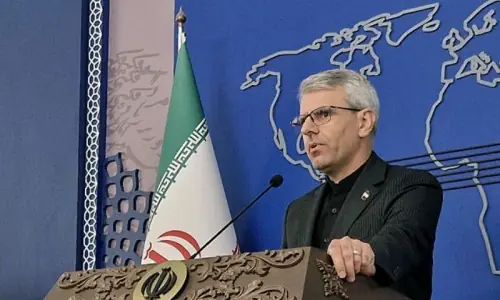
Communication Minister Getachew Reda said the state of emergency meant there would be a “lower threshold for the use of force”. Rights organisations have already criticised authorities for a harsh security crackdown on nearly a year of protests that has killed hundreds.
“The kind of threats we are facing, the kind of attacks that are now targeting civilians, targeting civilian infrastructures, targeting investment cannot be handled through ordinary law enforcement procedures,” said Getachew.
The protests threaten Ethiopia’s reputation as an oasis of political stability whose double-digit growth has lured investors in recent years.
“What we have is anti-Ethiopian elements using the protesters to attack whatever achievements Ethiopia has made in the last 15 or 20 years,” said Getachew.
“This has been done at the behest of historical enemies of the country,” he said, accusing Eritrea of “infiltrating terrorists” into the country.
Eritrea and Ethiopia fought a two-year border war between 1998 and 2000 which left 80,000 dead, and tensions between the neighbours flared again earlier this year.
Meanwhile Getachew said Egypt had allegedly trained and financed the rebel Oromo Liberation Front (OLF), regarded by Ethiopia as a terrorist group behind the protests.
“Its leaders used to be in Asmara (Eritrea) now they are in Cairo.” He said “elements in the Egyptian political establishment” were fomenting rebellion, seeking to promote “historical rights” over access to the River Nile.
Ethiopia is building a hydropower dam on the Nile close to its source in the Ethiopian highlands, raising fears in Egypt which depends on controlling the flow of the Nile’s waters for its survival.
Last week Ethiopia’s foreign ministry summoned Egypt’s ambassador to discuss “the current situation”, according to Ethiopian state media.
Protesters from the majority Oromo and Amhara ethnic groups say they are marginalised by the minority Tigrayan-led government which they accuse of monopolising power and controlling the economy.
The latest surge in anger comes after a stampede at an Oromo religious festival on Oct 2 after police fired teargas at protesters, sparking panic that left over 50 dead.
The protests first began in November 2015 and international rights groups estimate at least 500 demonstrators have been killed and hundreds injured over the past 10 months.
Published in Dawn October 11th, 2016