MASSACHUSETTS: A new Massachusetts Institute of Technology (MIT) media lab product, created in partnership with Microsoft Research transforms temporary tattoos into customised functional interfaces that can be used to communicate with gadgets or to even display output.
The "DuoSkin" technology meshes with current fashion trends to create a functional tool, TechCrunch reports.
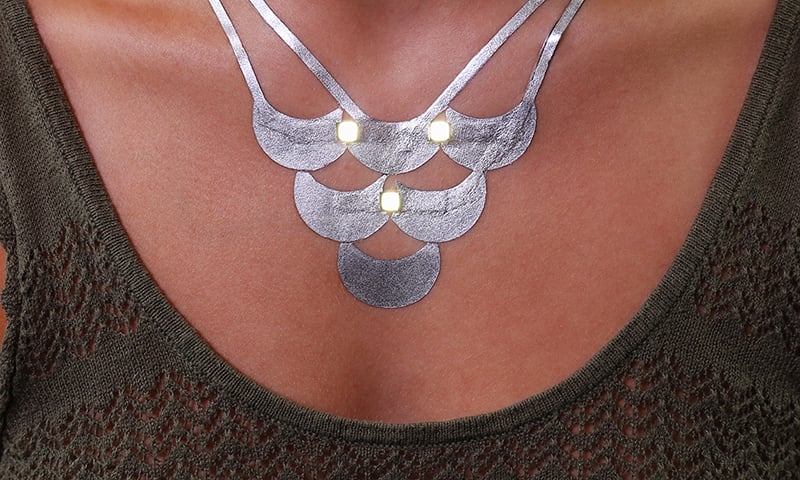
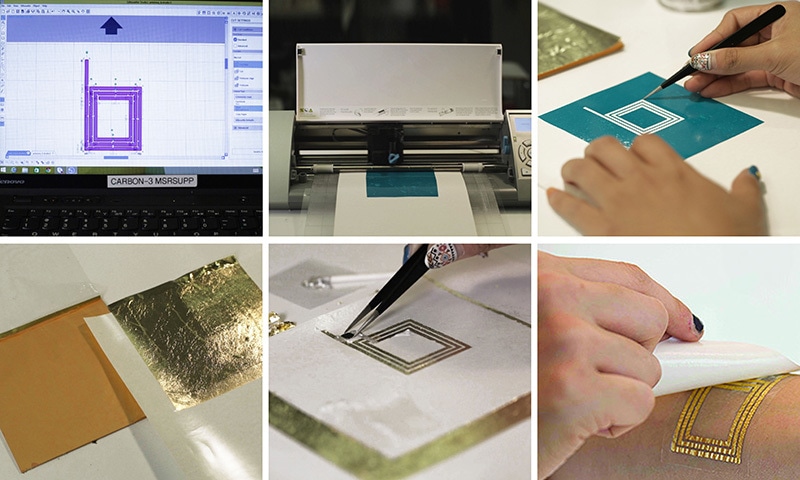
Cindy Hsin-Liu Kao, PhD Student at the MIT Media Lab, discussed the fabrication process that enables users to create fashionable devices that can be attached directly to their skin.
Metallic jewelry-like temporary tattoos are a growing trend in the fashion industry and specially among the the image conscious, trend setting crowd such that exists in the Taiwan street fashion, Kao explained. The culture of fashion for the masses is accessible enough that "you can very easily change and edit your appearance whenever you want".
The DuoSkin team kept the same factors in mind as they designed their product: accessibility, affordability and personalisation.
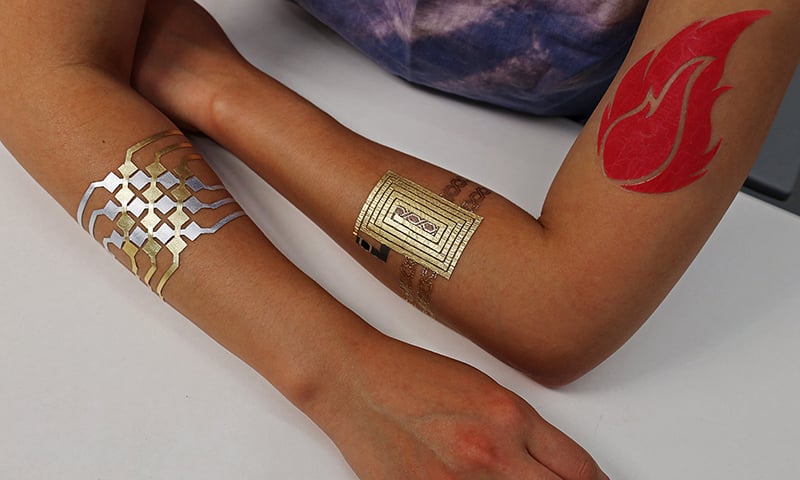
MIT's official page for the DuoSkin provides more details. Using gold metal leaf, a material that is cheap, skin-friendly, and robust for everyday wear, the team initially presented three different types of interfaces that are possible through the use of these metallic tattoos: sensing touch input, displaying output, and wireless communication.
DuoSkin allows users to use simple crafting materials like a vinyl cutter and temporary tattoo printing paper along with a the gold leaf overlay and small electronic components including NFC chips to create their own stylish, connecting tattoo devices.
They could be used in different ways, such as input devices that can turn skin into a trackpad, or a slider to adjust volume on connected devices. Also, through NFC wireless communication, they can store data which could be read by other devices.
Kao showed how these tattoos can also contain embedded LEDs for additional on-skin light effects.
The team behind the product would like to see it being introduced across tattoo parlours, making it convenient for users to get connected ink anytime they want.
By making it accessible, affordable and aesthetically pleasing for the masses, DuoSkin can potentially increase the appeal and valueof wearable tech.
Startups like Inkbox are already working on technology that advances material science that could extend the life of temporary tattoos. A collaboration in the future might be of interest inorder to create connecting ink which is more durable in nature.
The MIT paper discussing DuoSkin will be presented at the International Symposium on Wearable Computers 2016 (ISWC'16).