0
0
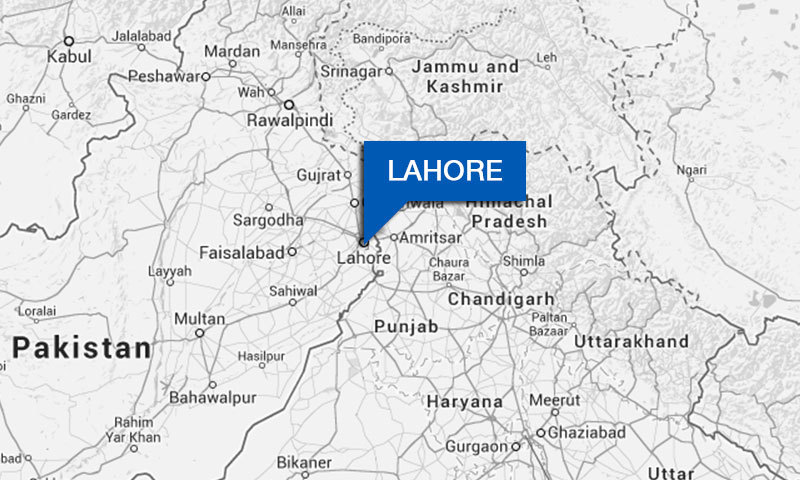

LAHORE: Major issues of carpet industry will be incorporated in the new textile policy 2014-19 with focus on infrastructural development, research, skill development and to enhance the product development centres.
This was stated by Federal Secretary for Textile Industry Rukhsana Shah during a meeting with members of Pakistan Carpet Manufacturers and Exporters Association (PCMEA) along with the delegations of Food and Agriculture Organisation (FAO) and the US Agency for International Development (USAID) who visited PCMEA office, said a spokesperson on Sunday.
She said shortage of skilled manpower and practicing old methods in hand-knotted carpet industry was the main barrier to achieve targets and enhance trade volume at international markets.
The government was determined to facilitate hand-knotted carpet industry to enhance trade volume for economic stability and growth, said Ms Shah and added the government believed in consultation process to get on board all the stakeholders to evolve consensus on the coming textile policy, including the carpet sector.
She said that in the past the ministry could not implement the plan and strategy for revival of carpet industry due to lack of funds.
PCMEA Central Chairman retired Maj Akhtar Nazir Khan Cooki and Vice-Chairman (North Zone) Kamran Razi sought PCMEA representation in Trade Development Authority of Pakistan as well as on the Board of Export Development Funds, because the hand-knotted carpet industry was one of the most important export-oriented industry of the country.
Mr Cooki said the textile and carpet sectors were absolutely different in their nature and the government should deal with these industries separately.
Mr Razi said a significant ratio of working capital of carpet exporters was already stuck in refund regime at a time when the carpet exports had already declined to $120 million from $300 million. The government should bring about necessary reforms and give special status to export-oriented carpet industry allowing zero-rating facility.
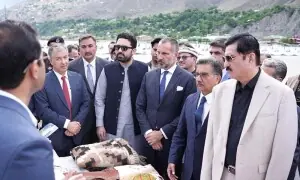
FAO manager for the USAID-funded project, David Doolan, briefed the PCMEA members about the mechanical sheep shearing skills by Baloch farmers trained under the Balochistan Agriculture Project.
He said the use of modern shearing equipment cut down the shearing time sixfold and produced higher quality wool. He said improved shearing processes would enable farmers to sell wool to better-paying markets.
Published in Dawn, June 2nd, 2014