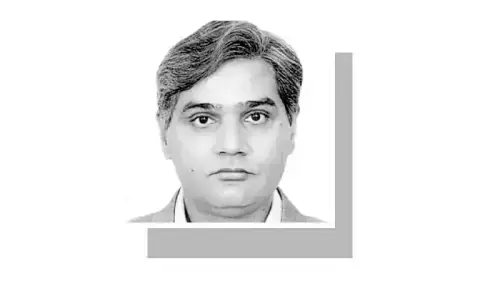
KARACHI: Retired Justice Mamoon Kazi, who refused to take the oath under the 1999 Provisional Constitution Order of former military dictator Pervez Musharraf, passed away peacefully here after a long illness. He was 76.
Born in the illustrious Kazi family that produced some notable personalities, including several judges, he obtained his law degree from the SM Law College, where he later was included in its prestigious roll of honour, and then became an accomplished lawyer.
Several landmark judgements go to late Kazi’s credit. He was the Sindh High Court’s chief justice when he ordered the registration of an unprecedented ‘third FIR’ in the 1996 Murtaza Bhutto murder case.
He extended the meaning of an aggrieved person to a great length when in a public interest case he ordered that every concerned citizen could be an aggrieved person.
Similarly, in one judgement he extended the scope of violence against women to the extent that he called it torture when a husband restricted his wife from going to her parents’ home.
After remaining more than a year as the SHC chief justice, he was elevated to the Supreme Court in late 1997, where he was part of several benches that gave some important decisions.
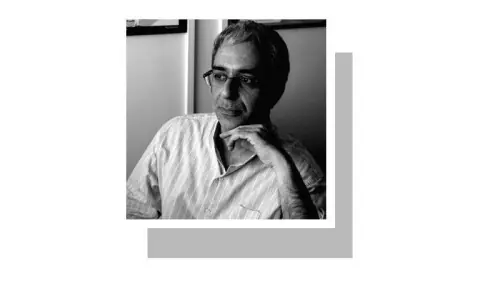
In 1999, he directed the government not to arrest journalist Najam Sethi, who was kept in detention by the government, in a case registered against him at the Kohsar police station without getting appropriate orders from the Supreme Court. “I would however like to add that it would be an absurdity if the detenue is re-arrested on the same charges which are now incorporated in the FIR,” he had ordered.
He was among the six SC judges who refused to take the oath under Gen Musharraf’s first PCO.
He was among the two nominees recommended by the leader of the opposition in the National Assembly, Syed Khursheed Shah, along with retired Justice Sardar Raza Khan for the post of the chairman of the National Accountability Bureau, which he regretted to accept for health reasons.
He remained the State Bank of Pakistan’s top legal adviser till he was alive. At the same time, he was part of the Committee for the Rule of Law comprising the judges of the apex court who refused to take oath in 1999.