0
0


The first ever comprehensive report mapping Pakistan's past, present and possible future online, titled "Pakistan's Internet Landscape", was launched today at the Avari Towers in Karachi.
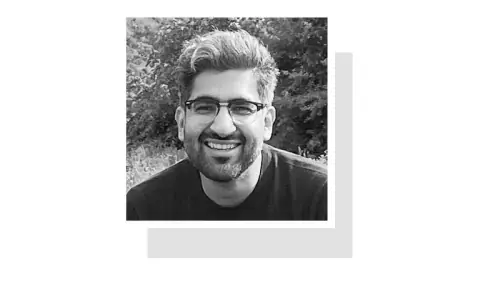
The report, authored by Jahanzaib Haque, outlines Internet control mechanisms deployed by the government and highlights existing legislation and its application in relation to the Internet. It provides a historical perspective of Internet censorship in Pakistan and the move to criminalize legitimate expression online. It also outlines the state of Internet surveillance, means deployed and the purpose and impact of such monitoring.
The report, which can be viewed here, was produced for Bytes For All, a human rights and advocacy organisation with a focus on Information and Communication Technologies (ICTs). The organisation regularly organises debate on the relevance of ICTs for sustainable development and strengthening human rights movements in Pakistan.
The key findings of the report are:
1) Internet penetration in Pakistan is now approximately 15% of the population, with the country having 15 million internet users on mobile alone.
2) Greater freedom and internet access for citizens has been met with increased state control, and systematic surveillance and censorship of the web. While blocking and filtering has been increasingly systematized in recent years, the process remains inconsistent and lacks transparency.
3) Filtering/blocking has largely focused on the crisis in Balochistan and information creating a perceived negative image of politicians or the military.
4) Radical religious groups have rapidly expanded in the online space, operating with impunity and forming a dangerous bloc that threatens cyberspace on many levels.
5) Most citizens have turned to proxy servers, virtual private networks and other tools to circumvent blocked content. Through workarounds, Pakistanis still have access to a wide range of content.
6) The disconnection of mobile services is a disturbing trend that could have far-reaching negative implications, as mobile phones represent the greatest potential for internet access in the country.
7) There is an urgent and pressing need to formulate laws that deal with the usage of internet for illegal activities as existing legislation and practices are flawed and open to misuse.
8) Cyber-attacks have been part of Pakistan's online space for over a decade, and almost entirely in connection with India.
Participants at the event today were very active on Twitter, with the hashtag #InternetPk becoming the highest trending topic in Pakistan for a few hours.