19
19

It’s that time of the year in Pakistan when people undertake long road trips. So beyond packing personal necessities, the focus on vehicular safety as well as personal safety should be a priority.
Here are the things to keep in mind before heading out:
Plan your route
- Get yourself a road map or navigation system that is most reliable. (Mobile phone accessible maps work fine in 3G/4G environment.)
- Plan your stops before you head out and follow them as far as possible.
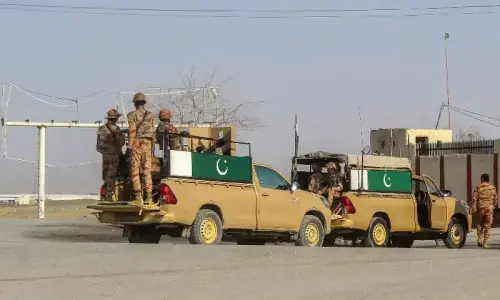
- Understand the security situation of the areas you are passing. It is not safe to drive through some places after certain hours. Therefore plan your drive through or take a rest in the town before and drive out during safe hours.
- Understand the road conditions which will have a direct impact on the type of vehicle you use.
- Plot the emergency support available along the route (hospitals, police, breakdown services etc).
- Have a list of emergency contacts for all those you’ve plotted along your route.
- Know where the rest houses / hotels etc. are along the route.
- Talk to others who may have experienced the road in recent days or maybe a month earlier at most if you’ve not travelled the route in a period longer than that.
Prepare the vehicle
- Ensure that the car is serviced and oil, fuel, filters, air pressure are at optimal conditions.
- Keep a coolant, distilled water or mineral water in the car. Remember not to use cold or iced water of any kind in an overheating radiator as it could further damage the vehicle.
- Make sure the brakes are functioning and test the reaction time for high speed breaking.
- Keep a tow chain.
- Ensure a complete toolset is available especially for a tyre change.
- Have a torch, preferably a rechargeable one
- Place a hazard sign in the car and have a Hi-Viz Jacket on hand. (Use when replacing a tyre day or night so you can be spotted at a distance.)
- If your tyres are due for a change after the trip do so before the trip. (Long drives on warm surfaces could be disastrous.)
- Windshield wipers should be in perfect working condition
- Have a first aid kit.
- Jumper cables should be a part of your emergency supplies.
- Large plastic garbage bags, used to dispose of waste are also a quick fix rain or window protection.
- Packing your belongings is also an art, always keep those bags which contain items for the trip in an easy access spot.
- Have your chargers for various gadgets kept in the car dashboard or storage space inside the car.
- Finally, remember the car is a machine and it deserves a break even if you don’t need one.
Plan for your safety
- Are you the only one who can drive?
- Does the other adult drive the type of vehicle you drive? Automatic or manual?
- Do you need glasses? If so, carry a spare in the dashboard and avoid use of contact lens.
- Are you or anyone else on medication that requires regular dosage? Carry sufficient supply for the journey. Remember, if these medications cause drowsiness than driving after consumption should not be considered.
- Are there any special needs then have those available (wheel chair, walking aids, cushions for seats, back care etc).
- Carry sufficient cash to cover an emergency vehicle breakdown, medical needs, food stops, unscheduled stays etc.
- Objects that can roll should be secured at all times as you don’t want them to lodge under your brake pedal and hamper your driving. (water bottles, soda cans, even a child’s milk bottle)
- Share the workload during the trip. Include the children in the plan. Make someone responsible for the car upkeep, for the meals, and for keeping a track of the route (no missed exits or then find a safe pit stop area)
Keeping children safe
- Pack snacks but be mindful that it is not the type that could result in choking.
- Take extra breaks especially when travelling with young children; a little leg stretch for you, but also a distraction for the children who may otherwise feel entrapped.
- When using a car seat then make secure its secured properly.
- Never permit young children to sit in the front of the car. If your child is not used to sitting in the rear alone then have an adult sit with them in the rear seat.
- Take some toys, but be mindful of not giving them items that can roll under the seat and lodge near your car pedals.
When ready to head home, go through the same routine check on every item and make sure you have sufficiently provided for it. You don’t want to ruin a perfect holiday by having an unsafe return journey.
Norbert Almeida is a safety & security advisor.
Email: ask@norbalm.com
Twitter: @norbalm
Blog: www.norbalm.com
On a mobile phone? Get the Dawn Mobile App: Apple Store | Google Play