16
16
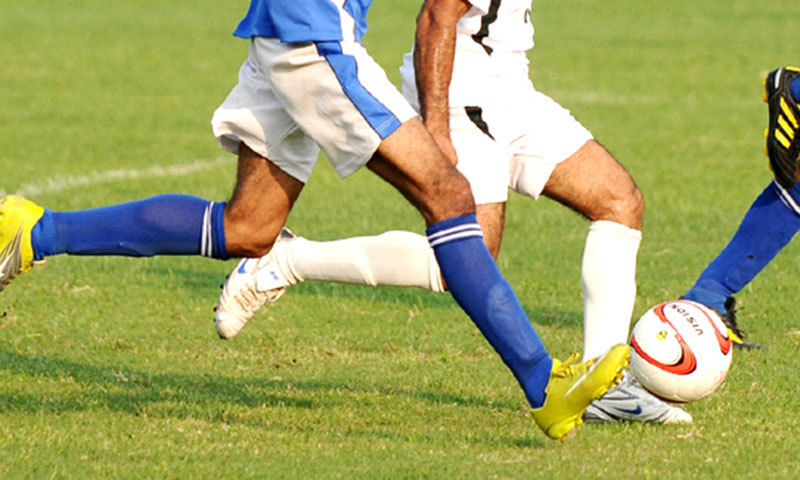
RECIFE: With the knockout rounds of the World Cup coinciding with the beginning of Ramazan, Muslim players must decide whether to observe the month-long religious fast which begins this weekend.
France, Germany, Switzerland, Belgium, Algeria and Nigeria are among the teams that have Muslim players who may choose to observe the 30-day period of fasting and reflection.
Refraining from eating and drinking during daylight hours could play havoc with the tightly-controlled diets of elite professional athletes, especially in the hot, humid conditions in which some World Cup games in Brazil are being played.
“The challenge is mainly trying to maintain hydration on a daily basis, and secondly trying to maintain energy levels,” Emma Gardner, performance nutritionist at the English Institute of Sport, told Reuters.
“Muscle mass is also an issue. Research suggests that people can lose muscle mass through the period of Ramazan, although it tends to be during the early period,” she said.
Gardner’s comments appear to be at odds with those of Jiri Dvorak, FIFA’s chief medical officer, who told a media briefing on Monday that players observing the fast should not suffer any deterioration in their physical condition.
“We have made extensive studies of players during Ramazan, and the conclusion was that if Ramazan is followed appropriately, there will be no reduction in the physical performances of players,” Dvorak told reporters.
One player who has made up his mind whether to fast or not is Germany’s Mesut Ozil.
“Ramazan starts on Saturday, but I will not take part because I am working,” he told a press conference on Wednesday.
Nutritionist Gardner has previously worked with a player from the British hockey team who fasted during a major tournament. She describes her experience with the athlete as being “a case study” in how to handle the issue.
“For players observing the fast during the World Cup, the optimal timing for games would be evening kickoffs, as it’s closest to the time when they can replenish and rehydrate,” she said, explaining strategies to offset the impact of fasting.
“Some athletes choose to use mouth rinsing, where they basically rinse their mouth out with water but don’t ingest any,” said Gardner, who has previously worked with English soccer club Blackburn Rovers.
“There is research to show that there are cognitive benefits, it makes them feel like they’re drinking. Otherwise you can use things like cold towels to help them cool down.”
Dehydration can have a negative effect on performance, with a loss of one to two percent of body fluids by weight leading to problems with concentration.
However, the nutritionist said that the best way to help fasting players was to consult with their coaches to ensure that their physical activity and recovery were properly planned, recommending they train only once a day.
“Ideally, from looking into research, the best time for athletes who are partaking in Ramazan to train is either early in the morning or late at night, as near to a time when they can hydrate and eat.”
Refuelling the body under such circumstances is not easy, as a whole day’s intake has to be made up during the hours of darkness.
“I found at the break of the fast, to get back to a hydrated state the athlete had to drink around six litres of fluid,” Gardner said.
“Standard guidelines say two and a half to three litres of fluid a day, so many people are surprised when they hear six.
“On its own, that amount of water can have a diuretic effect, so we had to make sure there was some sodium or that it was consumed with food.”
Published in Dawn, June 27th, 2014