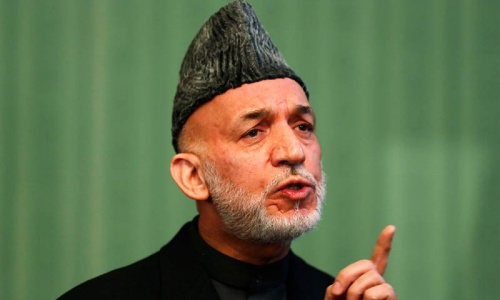
ATHENS: Nato's secretary general said Thursday he believes Afghan President Hamid Karzai will not sign a long-stalled security pact with the United States allowing American troops to remain in Afghanistan after the end of 2014, leaving the task to whomever emerges as his successor after April elections.
The US is the largest contributor of troops to the Nato military coalition in Afghanistan.
The international forces' mandate expires at the end of the year, and the US and Nato have been negotiating agreements on maintaining some troops in Afghanistan to train and support local security forces.
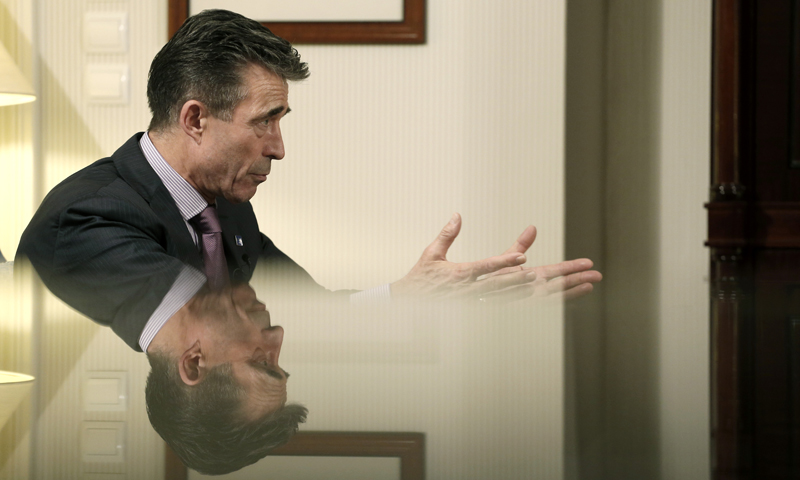
''We haven't so far seen any progress as regards a signature on the Bilateral Security Agreement, and actually I believe that President Karzai will not sign the security agreement, so it will be for his successor to make that decision,'' Anders Fogh Rasmussen told The Associated Press in an interview. ''Our position is very clear. Our preferred option is to deploy a training mission to Afghanistan after 2014.''
Rasmussen said that although Nato envisaged signing a separate pact with Kabul on alliance military presence in the country, it would not be finalised unless Afghanistan also signed the bilateral security agreement with Washington.
''There will be a separate Nato Status of Forces agreement, but we will not finalize that Status of Forces agreement unless the Afghans sign the Bilateral Security Agreement between the United States and Afghanistan,'' Rasmussen said in Athens, where he was attending a European Union defense ministers' meeting. ''So the two legal frameworks will follow hand in hand.''
The refusal by Karzai, who is not eligible to run for a third term in this year's election, to sign the security pact has strained relations with Washington.
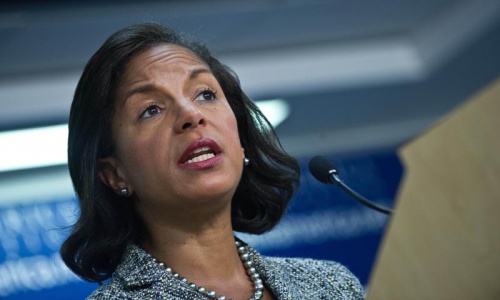
American-led combat operations are to end on Dec 31, but the US is seeking to keep up to 10,000 troops in the country for counter terrorism and training purposes.
Without a signed agreement setting conditions for the troops, all are expected to pull out at the end of the year.
Rasmussen appeared hopeful, however, that Karzai's successor would sign the deal, noting it was approved in November by a meeting of tribal elders known as the Loya Jirga and that all presidential candidates had said they were in favor of an agreement.
He also stressed that international funding for Afghan security forces could be affected without a deal.
''At the end of the day, the Afghans realise that a lot is at stake because this is not only about our military presence with trainers after 2014, but it's also about financial support for Afghanistan. I'm concerned that if there's no international presence with troops and trainers after 2014, then it will also be difficult to generate financial support to sustain the Afghan security forces,'' the Nato chief said.
An inability to pay the salaries of soldiers and police would ''have a devastating effect on security in Afghanistan,'' he warned. ''And I think the Afghans know that, and this is the reason why I'm confident that at the end of the day we will get that signature on the security agreement.''