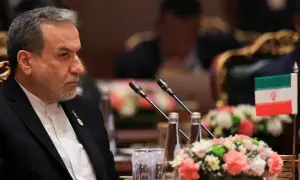
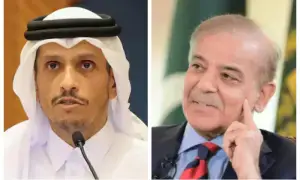
Meets Iranian president, speaker of parliament as Trump says "clock is ticking" for Iran; Pezeshkian calls on Muslim states to close ranks to counter "aggression by hegemonic powers".
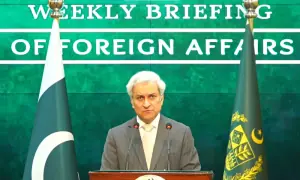
"We’re still doing our best to ensure ... [our] efforts achieve long-lasting peace through another session here in Islamabad, and we are hopeful that will happen,” he says.
Trump has signalled growing frustration over the 11-week-old crisis but has shown little inclination to soften his harsh diplomatic approach towards Tehran.
A prolonged conflict will have far-reaching implications for regional geopolitics, sharpening the divisions among Gulf countries that are directly affected by the tensions.
Every day that passes without clarity on how and when the war will end introduces fresh intensity to the uncertainty roiling global markets and adds to the economic turmoil the world must bear because of it.
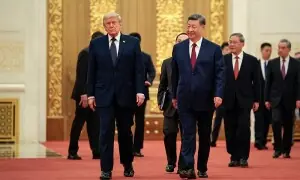
Before taking off on long-awaited China trip, Trump vows to "win peacefully or otherwise"; Tehran expands Hormuz control as EU mulls post-war naval mission.
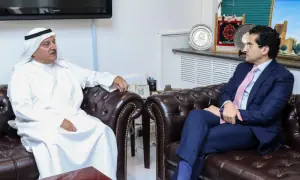
In meeting with envoy, petroleum minister expresses gratitude to Kuwait govt for its “timely facilitation ... in ensuring the safe dispatch" of vessel bringing diesel supplies to Pakistan.
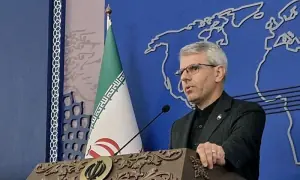
Trump says ceasefire is on "life support" and hints at restarting Hormuz operation; Iranian foreign ministry says many concerned states have reached out and says Islamabad still "official mediator".
Tehran demands end to war on all fronts, lifting of US blockade and release of frozen assets; warns interference in Hormuz Strait to further complicate matters.
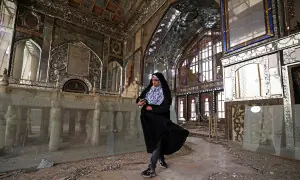
Initial estimates suggest work at Golestan Palace alone could cost around $1.7 million; 140 culturally and historically significant locations across Iran affected by war.