US Iran Rift
With no credible diplomatic breakthrough in sight and parallel diplomatic efforts struggling to gain traction, the conflict is set to continue along its current path of high-intensity attrition.
Updated 03 Apr, 2026 12:41am
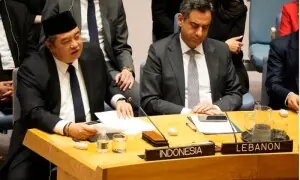
GCC calls on the UN Security Council to "assume its full responsibility and take all necessary measures to protect maritime routes".
Published 02 Apr, 2026 09:24pm
According to the experts, Israel’s only “evidence” for its claims is a photoshopped image of journalist Ali Shoeib.
Published 02 Apr, 2026 08:34pm
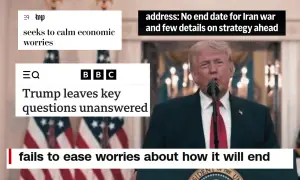
Dawn.com looks at some of the reporting and analysis from across the globe on the US president's address to his nation.
Updated 02 Apr, 2026 07:08pm
DNC Chair Ken Martin says US president "failed to give the public a clear rationale for his war"; others left wondering about plans.
Updated 02 Apr, 2026 11:53am
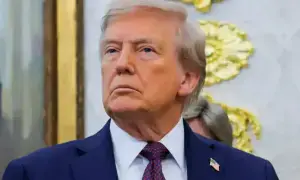
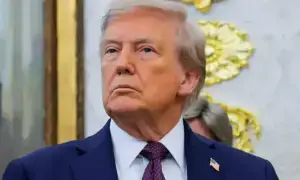
Trump describes the conflict as a “decisive, overwhelming victory”; says Israel’s survival would have been jeopardised had the 2015 nuclear agreement remained intact.
Updated 02 Apr, 2026 11:59am
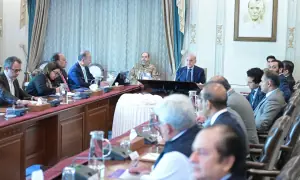
During the past one month of the crisis, the NSC has not met even once.
Updated 02 Apr, 2026 09:44am
Why have physical shortages taken so long to materialise? The answer is that the world started stockpiling oil in huge quantities through most of 2025.
Updated 02 Apr, 2026 09:30am
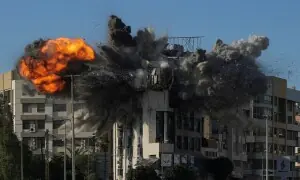
Israeli strikes on Beirut’s suburbs, other areas kill seven people.
Updated 02 Apr, 2026 08:04am
Starmer says Britain must focus on closer ties with Europe to undo some "deep damage"done by Brexit.
Updated 02 Apr, 2026 07:34am
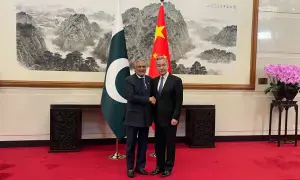
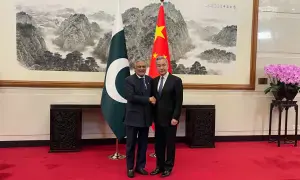
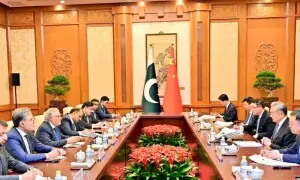
China’s backing for peace talks brings the weight of a global player to the efforts of Pakistan and other regional states.
Updated 02 Apr, 2026 08:45am
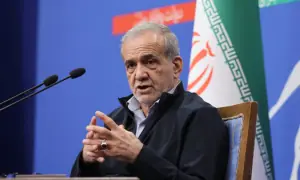
In the open letter, Pezeshkian has called on Americans to question the motives of the ongoing US-Israeli war on Iran.
Published 02 Apr, 2026 01:26am
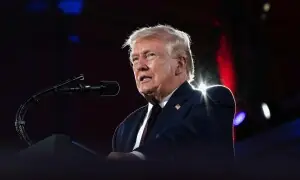
Diplomats and military analysts alike foresee Trump's speech as a defining moment that could set the next trajectory of the conflict.
Published 01 Apr, 2026 10:21pm
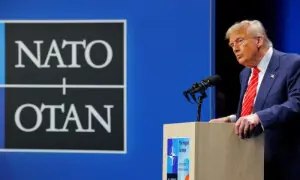
Enraged by European allies who have refused to back his fight, rejected demands to help reopen the Strait of Hormuz, or denied access to US jets, Trump’s tone has grown increasingly menacing.
Updated 01 Apr, 2026 08:19pm
From riders giving up their means of livelihood to consumers restricting themselves at home, the US-Israel war on Iran is reshaping how Karachi moves.
Updated 01 Apr, 2026 05:30pm
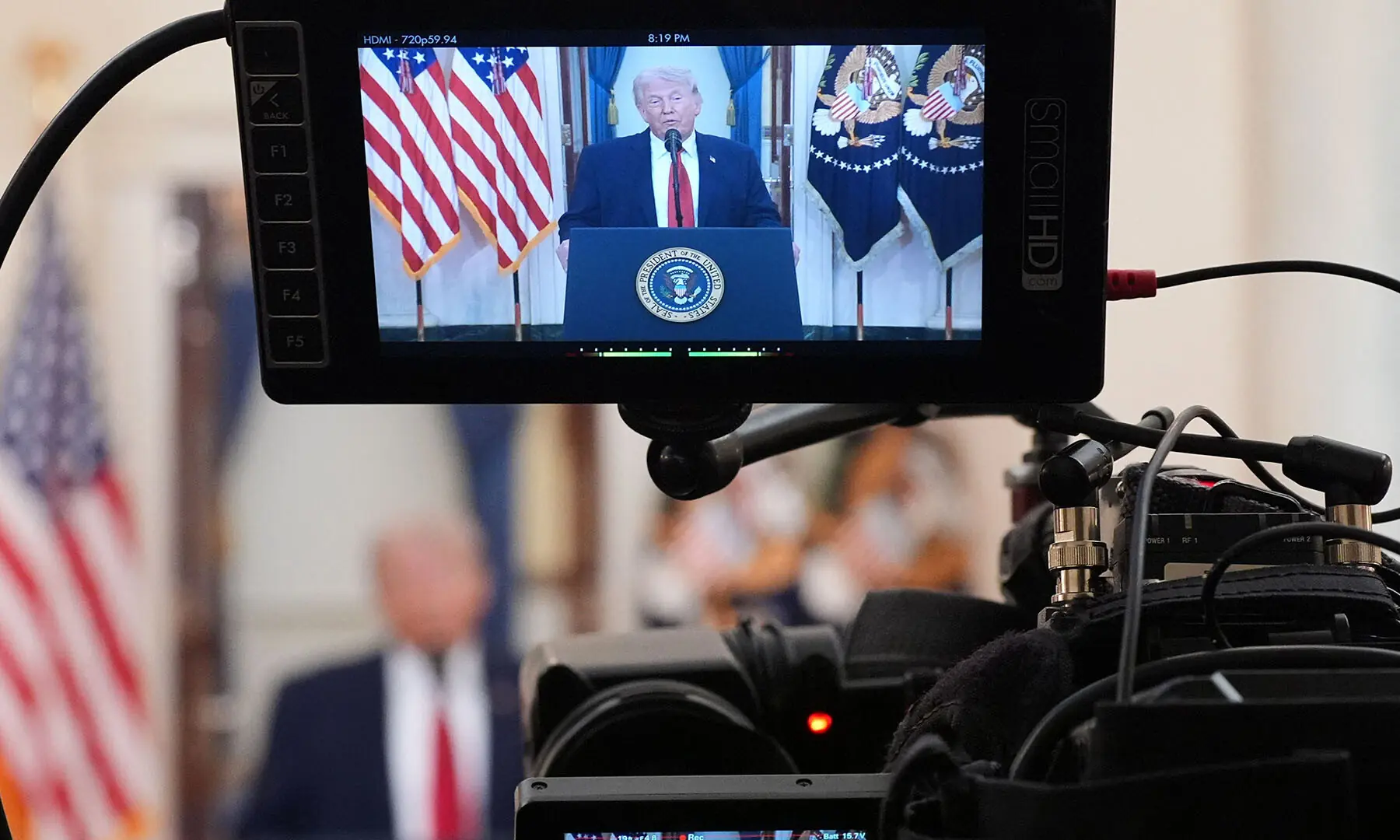
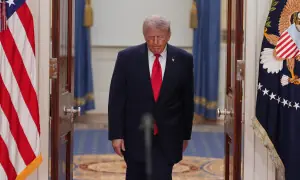
The US president is set to address his nation to provide what the White House has described as “an important update on Iran”.
Updated 01 Apr, 2026 06:28pm
Dar, Wang express "deep concern" over war's serious socio-economic repercussions on developing countries, exchange views on Afghanistan.
Updated 01 Apr, 2026 03:43pm
AS the relentless exchange of missiles and drones, which seem to be flying, crashing and exploding all over the...
Updated 01 Apr, 2026 09:28am
Pakistan’s balancing act is becoming tenuous as the scope of the war widens.
Updated 01 Apr, 2026 09:47am
Asia to be hit hardest by energy crisis, says maritime analytics firm.
Updated 01 Apr, 2026 09:09am
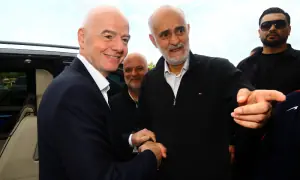
“Iran will be at the World Cup,” Infantino said at half-time as Iran beat Costa Rica 5-0 in a friendly in Turkey.
Updated 01 Apr, 2026 11:24am
Hegseth claims next few days to be "decisive", says conflict to intensify if deal not made.
Updated 01 Apr, 2026 07:25am
Absence of meaningful diplomatic progress is keeping the risk of further escalation elevated in the near term.
Published 31 Mar, 2026 08:59pm
Instructs relevant ministries to consult provinces on providing relief to low-income groups and submit final recommendations.
Published 31 Mar, 2026 06:54pm
Prices have risen because of falling vessel capacity, long and costly alternative routes, and reduced oil flows.
Published 31 Mar, 2026 06:37pm
The long-term ecological consequences of conflict are often overlooked in post-war reconstruction efforts, which typically prioritise physical infrastructure and immediate humanitarian relief.
Updated 31 Mar, 2026 05:14pm
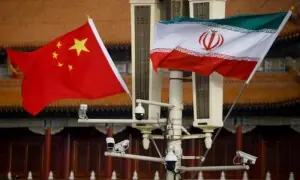
While China and Iran are sometimes considered part of a broader anti-Western group — alongside Russia and North Korea — their relationship is transactional.
Published 31 Mar, 2026 02:13pm
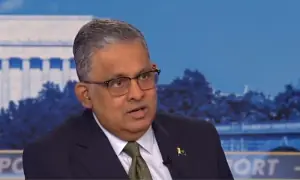
Ambassador to the US says "upon conflicting parties themselves" to make decisions which make any talks successful.
Published 31 Mar, 2026 12:02pm
Call for the immediate cessation of hostilities and the start of peace talks as soon as possible.
Updated 31 Mar, 2026 09:11pm
Iran has followed the Chinese model as one can see from its defiance of sanctions to build excellent healthcare, education...
Updated 31 Mar, 2026 08:54am