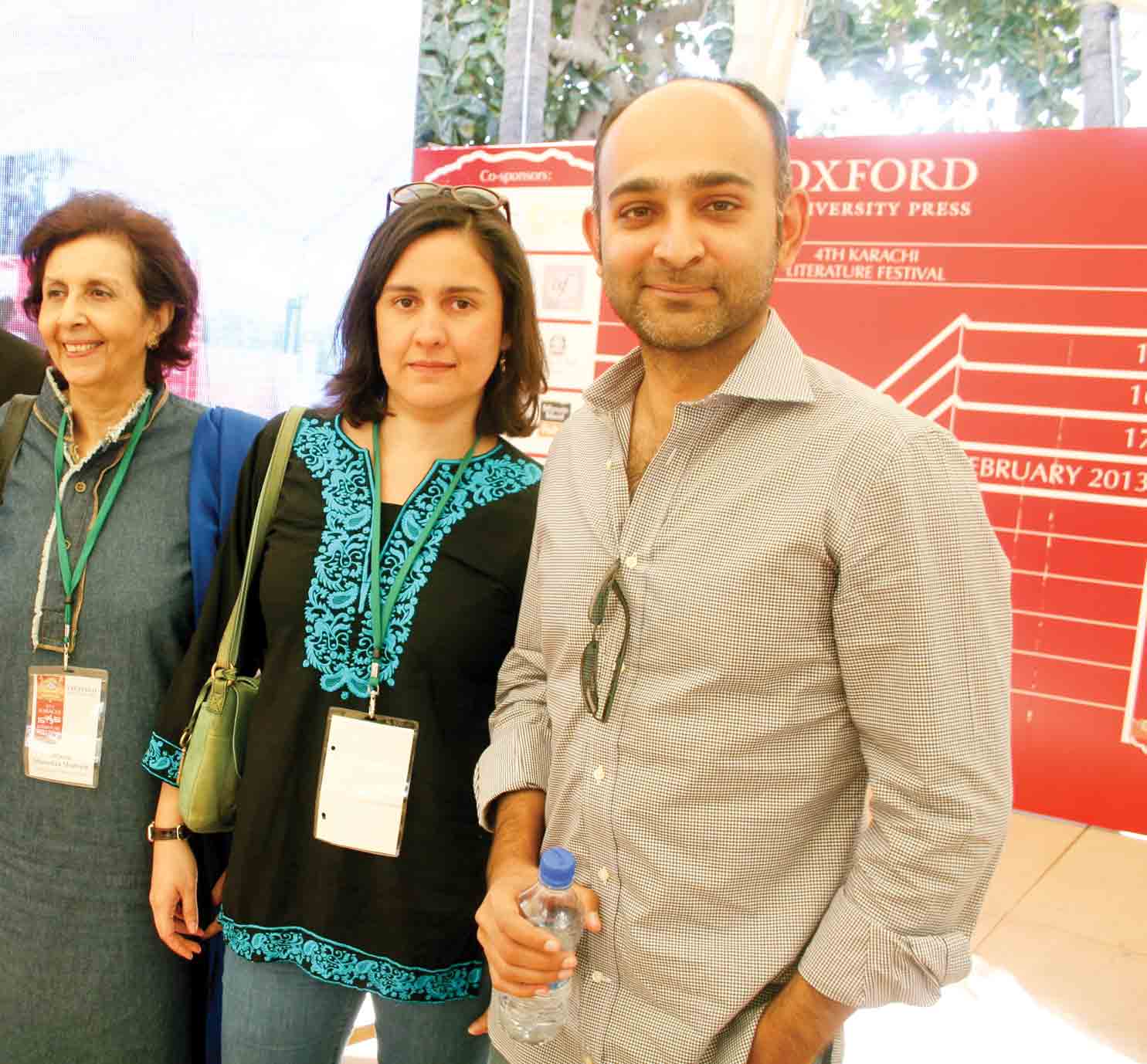
ON September 12, 2001, author Kamila Shamsie met Mohsin Hamid and asked: “What about that novel you were writing?” Hamid said he didn’t know what he was going to do with it, to which Shamsie said, “I think you have to keep writing it.”
That novel was The Reluctant Fundamentalist, about a Muslim boy who has “some tension with America,” which Hamid had begun writing far before the 9/11 attacks and the subsequent war and strife in Afghanistan and Pakistan. Hamid’s “post-9/11” novel — he wrote and rewrote The Reluctant Fundamentalist over the next few years — has been turned into a feature film that is being released this year.
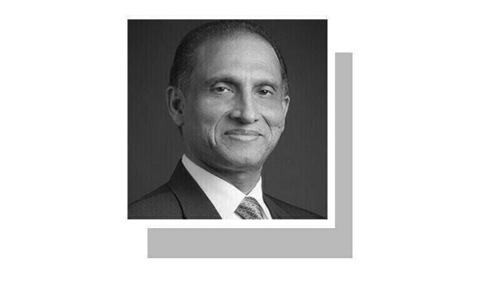
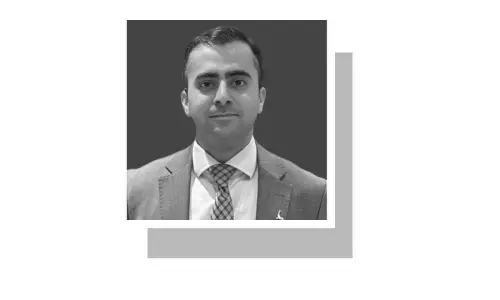
Authors Nadeem Aslam, Shamsie and Hamid spoke at the session titled ‘Political Engagement in the Pakistani Novel’ prodded along by the moderator, Muneeza Shamsie. Writing, as the authors discussed, is a political act. “I vote every time I write,” said Aslam.
After all, from Saadat Hasan Manto’s searing commentary on the Partition of the Indian subcontinent to the poetry of Habib Jalib, when has the Pakistani writer not been political?
Muneeza Shamsie recalled being at a discussion on the post-9/11 novel which appeared to almost entirely be a discussion of Pakistani writers. But like Hamid, Aslam too said that the idea of writing about Afghanistan in the 1980s had long been gestating before it culminated in his third novel, The Wasted Vigil. Speaking about the US-Russia conflict, he said, “What Cold War? It got pretty hot in Pakistan.” Similarly, he said, “I wanted to write about ‘honour killings’ so I wrote Maps for Lost Lovers.” Kamila Shamsie said she had wanted to write about the bombing of Nagasaki, and mentioned it to Aslam who encouraged her by saying, “well, you can always learn about it.”
She also explained how, in the course of writing fiction, something “extraordinary” happens when the fictional work is actually a news event. The author of Burnt Shadows was writing about the excavation at Shahji Ki Dheri, a historic Buddhist site in Khyber Pakhtunkhwa that was last explored in the early 1900s, when she opened Dawn one morning to find a headline: “Long-discovered Buddhist site brought to light”.
The conversation flowed freely among the writers as they discussed issues of patriarchy and the dominance of male authors. “We live in a patriarchal world and some stories are more likely to be told,” Kamila Shamsie said. “We are told of men going off to war, but not the women waiting at home.”
But she also noted that “there is a real problem with the way men read,” punctuating her point with studies that most men just don’t read female authors. “I cannot imagine such a thing,” Aslam said, while agreeing with her based on his conversations with male authors who don’t read works by women.
The three also discussed writing non-fiction. While Hamid and Kamila Shamsie frequently contribute to publications such as The Guardian and The New Yorker about developments in Pakistan — including floods, riots and militant attacks — Hamid asked why Aslam remains restricted to his fiction work. “I’ve written three or four non-fiction pieces [including his keynote speech at the opening of the literature festival],” Aslam said, “and I’m terrified afterwards, ashamed, embarrassed.”
— Saba Imtiaz