0
0
INDIA`S Congress party leadership and the Bush administration were celebrating on Thursday after the US Senate finally approved a nuclear cooperation agreement that opens the way for a $14bn investment in new Indian reactors and nuclear plants over the next year alone. The deal also has wider strategic significance, bolstering US-India ties at a time of rising Chinese influence.
President George Bush said the agreement, which took three years to negotiate, would “strengthen our global nuclear non-proliferation efforts, protect the environment, create jobs, and assist India in meeting its growing energy needs responsibly”. A spokesman for India`s prime minister, Manmohan Singh, who like Bush views the deal as a legacy issue, described it as “historic and unprecedented”.
Independent experts are less enthusiastic. Daryl Kimball, executive director of the Arms Control Association, said “The agreement is a non-proliferation disaster. Contrary to the counterfactual claims of proponents and apologists, it does not bring India into the `non-proliferation mainstream` and India`s so-called separation plan is not credible.”
Indian claims that the deal transforms the country into a respectable, mainstream nuclear power are also fiercely disputed. Critics say that Delhi`s continuing refusal to sign the nuclear non-proliferation treaty (NPT) and the comprehensive test ban treaty, and uncertainty over whether it will test more bombs, places it beyond the pale.
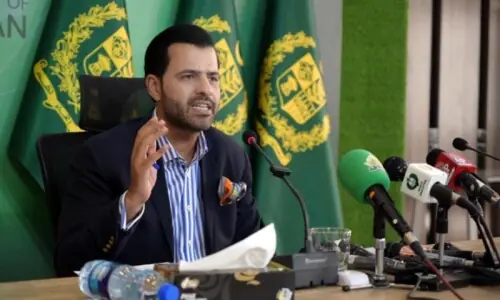
The reaction of Pakistan was instructive. The prime minister, Yousaf Raza Gilani, said on Thursday that Pakistan would demand similar access to nuclear supplies, “and they will have to accommodate us”.
— The Guardian, London