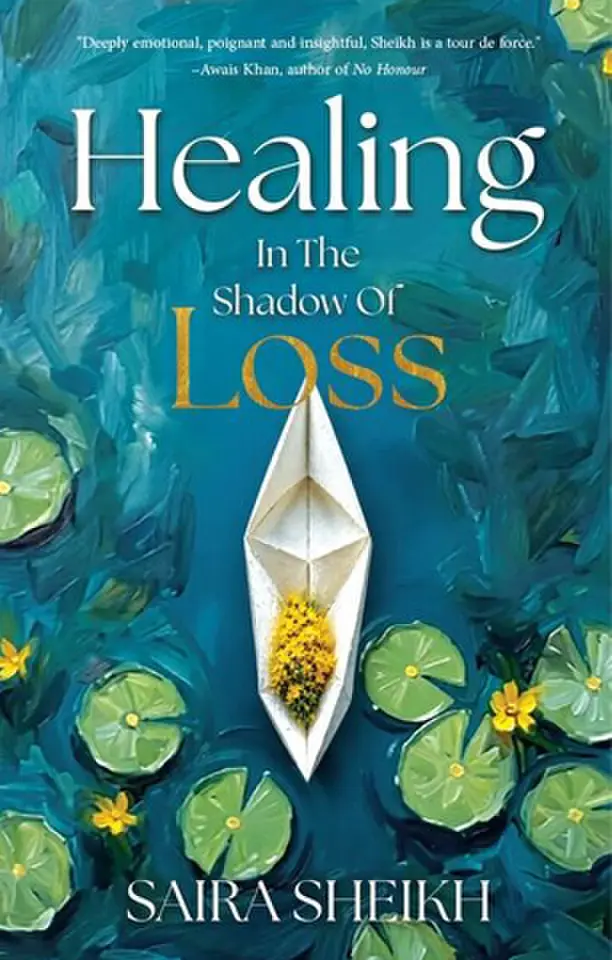
Healing in the Shadow of Loss
By Saira Sheikh
Liberty Publishing
ISBN: 978-627-7626-93-8
210pp.
When Saira Sheikh suddenly lost her mother, she was taken over by shock and felt as if her world had shattered. She found herself trapped between disbelief and desperation, wishing that it were not true. Coming to terms with the tragedy was difficult, yet, as it always happens with everyone sooner or later, she too began to move on with life.
Her autobiographical self-help book, Healing in the Shadow of Loss, is an outcome of her journey through grief and the process of overcoming it to carry on with life. In this book, she shares her experiences and the lessons she learned along the way, so others in the same boat can benefit.
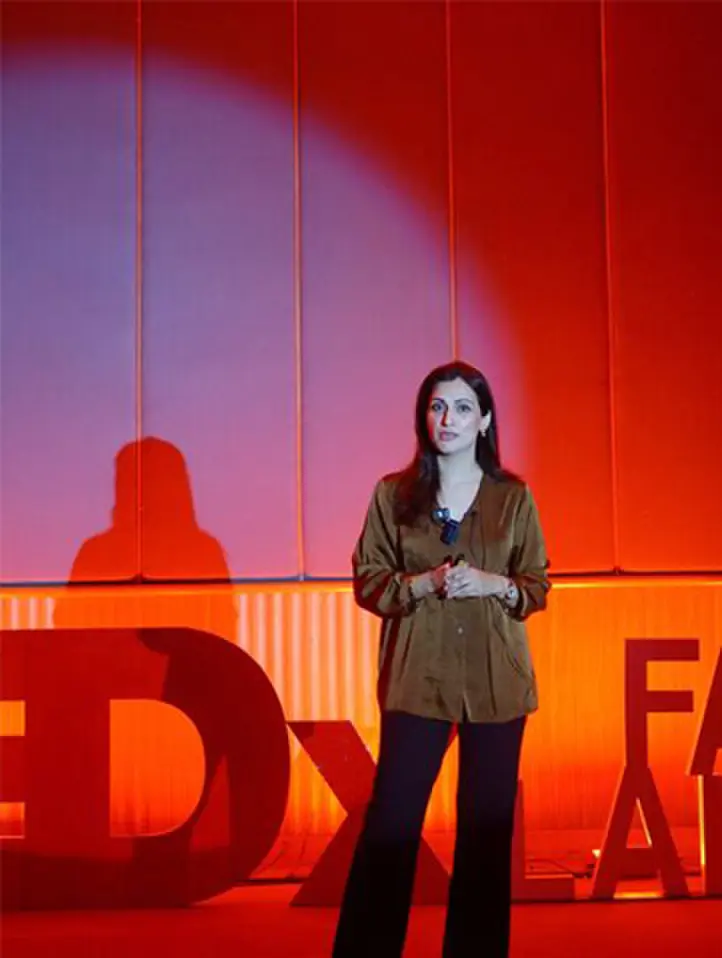
Sheikh is a first-time author, TEDx speaker and mental health advocate dedicated to supporting others by sharing her story of healing, with a heartfelt mission to empower individuals struggling with grief and mental health challenges. In the book, the author describes the various types and stages of grief in detail, and how the loss of a loved one shapes us.
However, she makes it clear that grief does not follow a script and that it is highly individual. It is different for each person, shaped by the bond they had with the person they lost. “Loss is not something you truly understand until it lands in your life and alters the rhythm of your daily existence,” she writes.
A personal account of losing a loved one explores the complexities of grief and the small ways in which healing can begin
The author reminds us that there is no single rule book for grief, trauma or life’s deepest wounds. Coping mechanisms differ from person to person, and we need to allow that without being judgemental, because while some may express their feelings, others may internalise them. She is of the opinion that we are never prepared for loss and, when faced with it, we learn through the pain we live, taking cues from others who have walked the path before us and left small markers of light behind. We learn by reflecting, asking, reaching out and sometimes falling apart completely before we figure out how to rebuild.
Sheikh points out various ways to come to terms with grief, such as journalling, physical movement, creativity, changing environments, the presence of a pet, therapy and trusting others enough to open up and confide. Opening up about your feelings and confiding in someone you trust helps a lot; however, she reminds readers that trust cannot be built overnight. It requires caution. One needs to choose the people they want to interact with and the ones they do not.
She found herself shouldering responsibilities she did not expect. After her mother’s death, she suddenly became the emotional anchor, the decision-maker, an attentive listener to her grieving father and the steady hand for her siblings. Her siblings looked to her to take charge on occasions such as preparing for one of their weddings etc.
She also discloses that the book grew out of a journal she kept over the past few years; writing helped her a lot in getting in touch with her feelings. In time, it became a medium to celebrate who her mother was. In the book, she says her journal helped her connect with her own feelings. “It was my safe space for expressing my feelings and thoughts without saying them aloud.”
While people find solace through various means, some have to resort to professional therapy. The problem is that, in our society, seeking help is seen as a personal weakness and is usually not supported, considered or accepted. Visiting a therapist is considered taboo, something that would bring shame to the family; people worry about what others would say and whether they would be seen as crazy. Sheikh says she, too, initially faced opposition from her family, especially her father, when she mentioned needing professional help.
While one is struggling with loss and grief, life does not come to a standstill. People also have to respond to the needs of those associated with them. As a parent, Sheikh had to guide her children and, as a wife, she was still expected to manage the household and anticipate everyone’s needs. As the eldest daughter, she was also faced with the unspoken expectation of keeping family traditions alive, maintaining relationships between relatives and being the emotional centre that held everyone united.
She found herself shouldering responsibilities she did not expect. After her mother’s death, she suddenly became the emotional anchor, the decision-maker, an attentive listener to her grieving father and the steady hand for her siblings. Her siblings looked to her to take charge on occasions such as preparing for one of their weddings etc.
Sheikh also briefly talks about the insensitivity of people coming to pay their condolences and the etiquette of mourning, pointing out that funerals are not social events — they are sacred spaces dedicated to grief, remembrance and spiritual reflection. She reminds the reader that when one attends a funeral, they are stepping into someone’s most vulnerable moment. “Those who are mourning are not hosting a gathering. They are surviving a loss and fulfilling a huge responsibility.”
People tell the grieving person that you will move on eventually. Sheikh learnt that “you do not move on from grief, you move forward with it. You learn to live with the ache.” You never forget the person you have lost. For her, over time, grief no longer became just sadness; it transformed into memories, love, remembrance, legacy and strength.
She thinks her relationship with her mother did not end — it evolved. “The love I have for her remains alive, vibrant, evolving, and deeply precious,” she writes. She cooks using her recipes, she remembers her mother’s love for fragrance and starts making candles and, when the world feels too heavy, she feels her reassuring presence telling her, “I know you can do it.”
No doubt, grief following the loss of a loved one is a devastatingly painful experience. It is not easy to speak openly about one’s pain, because it is a deeply personal matter. However, in her book, Sheikh has chosen to write on this difficult subject and lays bare the experience of suffering and pain and examines grief with remarkable openness.
Healing in the Shadow of Loss is a kind of guide for those dealing with grief. It is a powerful and deeply moving account of pain, loss, suffering, survival and, ultimately, healing. It explores the realities of living with loss and challenges the belief that grief should be faced quietly or overcome quickly. Sheikh has not merely narrated her experience, but has also drawn meaningful lessons from it.
Along with narrating her journey through grief, Sheikh leaves short pointers or reminders at the end of each section that serve as useful summaries and give the reader important points to reflect on. For those on a healing journey, the book ends with a ‘self-check’ that, as the author says, is not a test with right or wrong answers but merely insights to help guide readers on their next step.
The reviewer is a freelance journalist
X: @naqviriz
Published in Dawn, Books & Authors, November 15th, 2026